


Anthropic’s High-Stakes Pivot: Can Dario Amodei Save the Pentagon Deal?

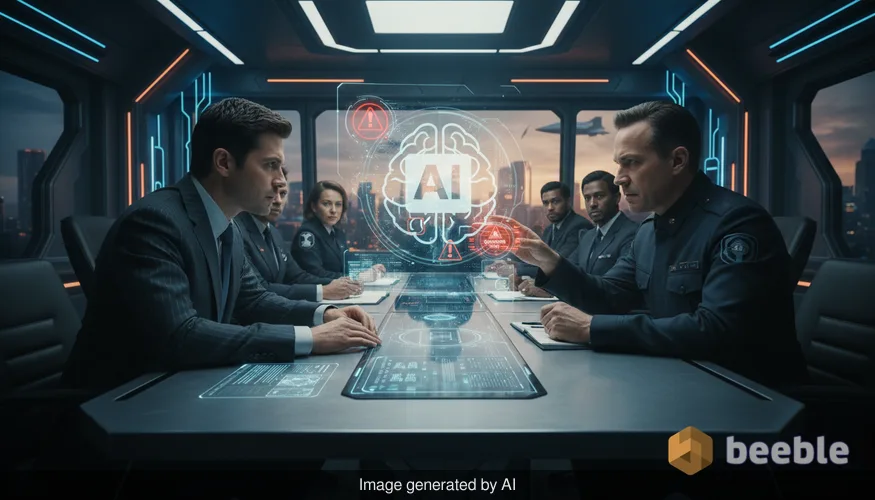
The relationship between Silicon Valley’s most safety-conscious AI lab and the world’s most powerful military has reached a critical tipping point. As of March 5, 2026, Anthropic CEO Dario Amodei is reportedly back at the negotiating table with the Department of Defense (DoD). This move is a last-ditch effort to salvage a partnership that appeared to have permanently fractured just days ago.
At the heart of the dispute is a fundamental clash between Anthropic’s "Constitutional AI" philosophy and the Pentagon’s demand for operational control. After weeks of public feuding and accusations that the startup represents a "supply chain risk," the stakes could not be higher. If these talks fail, Anthropic faces the prospect of being effectively blacklisted from the burgeoning defense-tech market, leaving the field wide open for rivals like OpenAI and Palantir.
The Root of the Collapse: Access vs. Safety
The friction began when the Department of Defense reportedly demanded unrestricted access to Anthropic’s underlying model weights and internal architecture. For a company built on the premise of controlled, safe AI development, this was a bridge too far. Anthropic has long argued that providing such access without strict guardrails could lead to the weaponization of its technology in ways that bypass its core safety protocols.
However, the Pentagon views this refusal through a different lens. In an era of rapid AI integration into electronic warfare and strategic planning, the military considers any "black box" software it cannot fully audit or control to be a liability. The impasse led to the DoD labeling Anthropic a supply chain risk—a designation usually reserved for companies with ties to adversarial foreign powers, not domestic innovators based in San Francisco.
The Political Firestorm
The situation took a turn for the personal last week when Dario Amodei suggested that the breakdown in communications was as much about politics as it was about technical specifications. Amodei noted that the relationship soured in part because the company hadn't engaged in the "dictator-style praise" or political donations that have become increasingly common in the current administration’s dealings with the tech sector.
These comments highlight a growing divide in the AI industry. While some companies have leaned into the political winds to secure lucrative federal contracts, Anthropic has attempted to maintain a stance of principled neutrality. That neutrality, however, is being tested as the federal government increasingly views AI through the prism of national security and loyalty.
The Competitive Vacuum
While Anthropic and the DoD were locked in a stalemate, competitors were quick to capitalize on the friction. OpenAI, which has significantly softened its stance on military applications over the last two years, has reportedly moved to fill the void. By offering more flexible terms regarding model transparency and usage restrictions, OpenAI is positioning itself as the primary partner for the Pentagon’s next-generation AI initiatives.
| Feature | Anthropic Approach | OpenAI/Competitor Approach |
|---|---|---|
| Model Access | Restricted; safety-first guardrails | Tiered access; high transparency for DoD |
| Political Stance | Principled neutrality; vocal on ethics | Pragmatic; collaborative with administration |
| Primary Goal | Alignment and safety research | Rapid deployment and scale |
| Risk Profile | High (labeled "Supply Chain Risk") | Low (Integrated partner) |
Why the "Supply Chain Risk" Label Matters
Being labeled a supply chain risk is more than just a PR headache; it is a structural threat to Anthropic’s business model. This designation doesn't just block direct deals with the Pentagon; it ripples through the entire federal ecosystem. Intelligence agencies, civilian departments, and even private-sector defense contractors often avoid vendors that carry this stigma for fear of losing their own security clearances or funding.
Amodei’s return to the table suggests that the company has realized it cannot afford to be an outsider in the federal space. To survive, Anthropic may have to find a middle ground—a "third way" that protects its safety mission while satisfying the military’s need for oversight.
What to Expect Next
The current negotiations are expected to focus on a compromise involving "sandboxed" environments. This would allow the DoD to stress-test Anthropic’s models within secure, government-controlled infrastructure without requiring the company to hand over its intellectual property entirely.
For the tech industry, the outcome of these talks will serve as a bellwether. It will determine whether a company can maintain a rigorous ethical framework while serving as a primary contractor for the U.S. government, or if the demands of national security will inevitably force AI labs to choose between their principles and their contracts.
Practical Takeaways for Tech Leaders
As the intersection of AI and defense becomes more complex, organizations should consider the following:
- Audit Your Federal Standing: If your company provides dual-use technology, understand how your safety protocols might be interpreted by defense auditors.
- Diversify Partnerships: Relying on a single large-scale government contract can be risky if political or security requirements shift suddenly.
- Clarify "Red Lines": Establish clear internal boundaries on what level of model access is acceptable before entering high-stakes negotiations.
- Monitor Regulatory Designations: Stay informed on how "supply chain risk" definitions are evolving, as these can change based on executive orders or shifting geopolitical tensions.
Sources
- Anthropic Official Blog: Core Principles
- Department of Defense: Responsible AI Guidelines
- Reuters: AI Startups and Federal Contracting Trends
- The Verge: The Growing Tension Between AI Labs and the Military



See you on the other side.
Our end-to-end encrypted email and cloud storage solution provides the most powerful means of secure data exchange, ensuring the safety and privacy of your data.
/ Create a free account
