


Behind Brazil's ANPD Restructuring: What It Means for Your Data Protection Strategy

Pulling Back the Curtain on Brazil's Data Watchdog
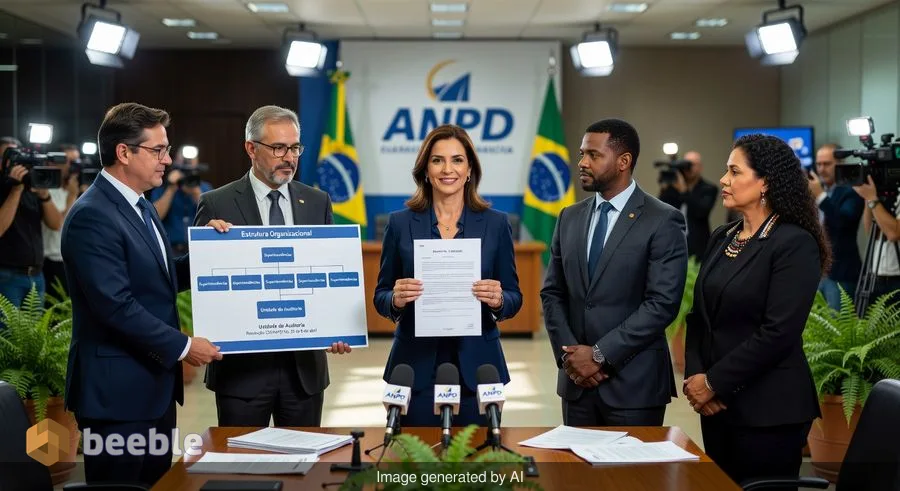
Imagine the National Data Protection Authority (ANPD) as the referee in Brazil's high-stakes game of data privacy. Until recently, it was still warming up on the sidelines. Now, with a freshly announced internal overhaul, it's stepping onto the field with a sharper whistle and a bigger team. On April 6, 2026, the ANPD formalized this shift through Resolution CD/ANPD No. 33, backed by Decree No. 12.881/2026. This isn't just bureaucratic reshuffling—it's a signal that enforcement of Brazil's General Data Protection Law (LGPD) is gearing up for prime time. As someone who's dissected privacy policies like a digital detective sifting through encrypted clues, I see this as a pivotal moment for organizations navigating compliance.
The New Blueprint: Six Superintendencies and an Audit Muscle
At the heart of the change is a streamlined structure designed to boost operational punch. The ANPD now features six specialized Superintendencies, each tackling a slice of the data protection puzzle:
| Superintendency | Focus Area |
|---|---|
| Superintendency of Analysis and Monitoring | Tracks compliance trends and systemic risks. |
| Superintendency of International Relations | Handles cross-border data flows and global alignments. |
| Superintendency of Standards and Enforcement | Develops guidelines and drives investigations. |
| Superintendency of Education and Research | Builds awareness through training and studies. |
| Superintendency of Technology and Innovation | Tackles emerging tech like AI and biometrics. |
| Superintendency of Administrative Processes | Manages sanctions and appeals. |
Rounding it out is a dedicated Audit Unit, ensuring the ANPD itself walks the transparency talk. This setup, effective immediately, replaces a leaner predecessor, giving the agency tools to handle the LGPD's growing caseload. Think of it as upgrading from a solo guitarist to a full orchestra—more instruments mean richer enforcement harmonies.
In practice, this means faster processing of complaints, nuanced guidance on tricky topics like "legitimate interest" (a legal basis for processing data without explicit consent, balanced against individual rights), and proactive oversight. I've seen agencies like this evolve in Europe under GDPR; Brazil's move positions the ANPD similarly as a robust regulator.
Why This Matters: From Reactive to Proactive Enforcement
Brazil's LGPD, modeled partly on GDPR, has been live since 2020, but the ANPD's teeth were still growing in. Fines started rolling out last year, yet resource constraints slowed momentum. The new structure addresses that head-on. Consequently, expect more granular scrutiny—audits that probe not just breaches but everyday practices, like how e-commerce sites handle customer profiles.
Take a mid-sized retailer, for example. Under the old setup, a vague data mapping report might slide by. Now, the Superintendency of Analysis and Monitoring could flag inconsistencies, triggering deeper dives. Non-compliance risks escalate from warnings to fines up to 2% of Brazilian revenue. From a compliance standpoint, this is your cue to audit internal processes. I've advised sources in similar shifts: treat data flows like a trail of breadcrumbs—trace them meticulously to avoid leaving vulnerabilities exposed.
Implications for Businesses: Sharper Focus Areas Emerge
Organizations with Brazilian users or operations face heightened expectations. The Superintendency of Technology and Innovation, in particular, eyes AI-driven decisions, pseudonymization techniques (stripping identifiers while keeping data useful, akin to a digital witness protection program), and privacy by design. If your app uses facial recognition, brace for questions on proportionality—does the intrusiveness match the benefit?
Multinationals get extraterritorial reminders too: LGPD applies to any data processing affecting Brazilians, no local office required. The International Relations team will likely harmonize with EU and global standards, easing cross-border compliance but demanding robust Data Processing Agreements.
Curiously, smaller firms aren't off the hook. The Education Superintendency promises free resources—webinars, toolkits—to level the playing field. Yet, in a regulatory context, ignorance won't shield you. Proactive steps now prevent reactive headaches later.
A Peek from the Digital Detective's Notebook
Years ago, investigating a bank's breach, I mapped data silos that mirrored ANPD's old limitations—fragmented oversight led to unchecked leaks. Encrypting my notes via Signal, I learned: structure alone doesn't fix culture. The ANPD's remodel demands companies mirror it internally—appoint a Data Protection Officer (DPO, your in-house privacy translator), minimize data collection, and document consents granularly. I skipped naming clients then, prioritizing their right to be forgotten over a scoop. Do the same for your records.
Key Takeaways for Staying Ahead
- Map and Monitor: Review your data inventory against the six Superintendencies' remits. Prioritize high-risk areas like biometrics or automated decisions.
- Engage Early: Subscribe to ANPD updates; attend their education sessions for free compliance intel.
- Vendor Check: Audit partners' LGPD adherence—weak links sink ships.
- Train Teams: Roll out privacy-by-design workshops, treating it as the foundation of your data house.
Your Next Move: Act Now, Comply Smarter
Don't wait for an ANPD knock. This week, schedule a compliance audit tailored to the new structure. Cross-reference your practices against LGPD Article 55-J (ANPD powers) and Resolution 33. Tools like privacy impact assessments act as your compass here. Empower your team, protect your users, and turn regulation into a competitive edge.
Sources
- Decree No. 12.881/2026
- Resolution CD/ANPD No. 33 (April 6, 2026)
- Lei Geral de Proteção de Dados Pessoais (LGPD), Law No. 13.709/2018
- ANPD Official Announcements (2026)
Disclaimer: This post is for informational and journalistic purposes only. It does not constitute formal legal advice. Consult a qualified attorney for your specific situation.



See you on the other side.
Our end-to-end encrypted email and cloud storage solution provides the most powerful means of secure data exchange, ensuring the safety and privacy of your data.
/ Create a free account
