


ByteDance Halts Seedance 2.0 Global Launch Amid Hollywood Copyright Standoff

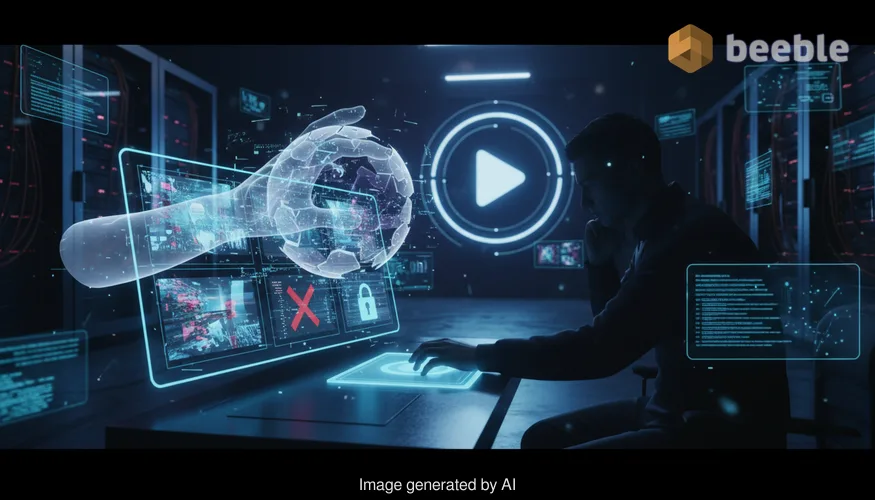
The global race for generative video dominance has hit a significant legal roadblock. ByteDance, the parent company of TikTok, has reportedly suspended the international rollout of its highly anticipated video-generation model, Seedance 2.0. According to a report from The Information, the decision stems from escalating copyright disputes with major Hollywood studios and streaming giants who allege their content was used to train the model without authorization.
This move marks a rare retreat for the Beijing-based tech giant, which has been aggressively positioning itself to compete with OpenAI’s Sora and Google’s Veo. As the industry moves from experimental prototypes to commercial-grade tools, the friction between AI developers and the creative industry is reaching a boiling point.
The Seedance 2.0 Ambition
Seedance 2.0 was designed to be ByteDance’s most sophisticated answer to the generative AI boom. Building on the foundations of its predecessor and the China-only Jimeng AI, Seedance 2.0 promised to generate high-fidelity, 4K video clips from simple text prompts. Internal demos suggested the model possessed a superior understanding of physics and cinematic lighting—qualities that made it a potential game-changer for TikTok creators and professional advertisers alike.
However, the very quality that made Seedance 2.0 impressive is what eventually drew the ire of copyright holders. To achieve such high levels of realism, AI models require massive datasets. When those datasets include high-budget feature films, television shows, and proprietary streaming content, the line between "machine learning" and "copyright infringement" becomes dangerously thin.
The Hollywood Friction
The suspension follows months of quiet negotiations that reportedly turned sour. Major studios and streaming platforms have grown increasingly protective of their intellectual property in the wake of the 2023 and 2024 labor strikes, which established new precedents for how AI can interact with creative work.
Sources familiar with the situation indicate that several studios discovered "fingerprints" of their proprietary content within the model’s output. This isn't just about the AI recreating a specific character; it’s about the underlying patterns, color grading, and directorial styles that the AI absorbed during its training phase. For Hollywood, this represents a threat to the long-term value of their libraries. If a user can prompt an AI to "create a scene in the style of a specific blockbuster," the studio loses control over its creative DNA.
The "Black Box" Training Problem
The core of the dispute lies in the lack of transparency regarding training data. ByteDance, like many of its peers, has been hesitant to disclose exactly where its billions of training frames originated. This "black box" approach is no longer sustainable in a 2026 regulatory environment where the EU AI Act and updated US copyright guidelines demand greater accountability.
To understand the scale of the challenge, consider the following comparison of the current major players in the video AI space:
| Feature | Seedance 2.0 (ByteDance) | Sora (OpenAI) | Kling (Kuaishou) | Runway Gen-3 |
|---|---|---|---|---|
| Current Status | Suspended (Global) | Limited Release | Public (Global) | Public |
| Max Resolution | 4K | 1080p+ | 1080p | 4K |
| Licensing Strategy | Disputed | Partnering with Studios | Unknown | Proprietary/Licensed |
| Primary Market | Social Media/Ads | Creative Professionals | Consumer/Social | Enterprise/Film |
The Strategic Pivot
By pausing the launch, ByteDance is likely attempting to avoid a massive, multi-billion-dollar litigation battle that could jeopardize its already precarious position in the US market. With TikTok facing ongoing legislative scrutiny, the last thing ByteDance needs is a high-profile legal war with the American entertainment industry.
Industry analysts suggest that ByteDance may be forced to follow the path of companies like Adobe or Shutterstock, which have built their AI models on fully licensed or public-domain datasets. However, building a model from scratch using only licensed content is both expensive and time-consuming, potentially putting ByteDance months or even years behind its competitors.
Practical Takeaways for Tech Leaders and Creators
The Seedance 2.0 suspension is a cautionary tale for any business integrating generative AI into their workflow. Here is what you should consider moving forward:
- Audit Your Tools: If you are using AI video tools for commercial purposes, verify the vendor’s stance on training data. Tools that cannot guarantee "clean" data sources pose a significant legal risk to your brand.
- Watch the Licensing Trend: Expect a shift toward "walled garden" AI models where studios license their libraries to specific tech companies. We may soon see a "Disney AI" or a "Warner AI" that is trained exclusively on their own IP.
- Prioritize Transparency: For developers, the era of scraping the open web without consequence is ending. Investing in data provenance and licensing agreements early is now a prerequisite for a global launch.
- Prepare for Volatility: The AI landscape is shifting weekly. Do not build your entire content strategy around a single experimental tool that could be pulled from the market due to legal disputes.
The Road Ahead
The suspension of Seedance 2.0 is a sobering reminder that while technology moves fast, the law eventually catches up. For ByteDance, the path forward involves a difficult choice: pay the steep licensing fees demanded by Hollywood, or risk launching a diminished product that lacks the cinematic polish of its rivals.
As of now, ByteDance has not provided a new timeline for the global release of Seedance 2.0. For the thousands of creators waiting to get their hands on the tool, the wait just got significantly longer. The battle for the future of video isn't just being fought in the code—it's being fought in the courtroom.
Sources
- The Information: ByteDance Pauses Seedance 2.0 Over Copyright Concerns
- Reuters: AI Training Data and the Legal Challenges of 2026
- TechCrunch: The State of Generative Video Models
- US Copyright Office: Updated Guidance on AI-Generated Content



See you on the other side.
Our end-to-end encrypted email and cloud storage solution provides the most powerful means of secure data exchange, ensuring the safety and privacy of your data.
/ Create a free account
