


Can a small group of ex-employees really take Twitter back from Elon Musk?
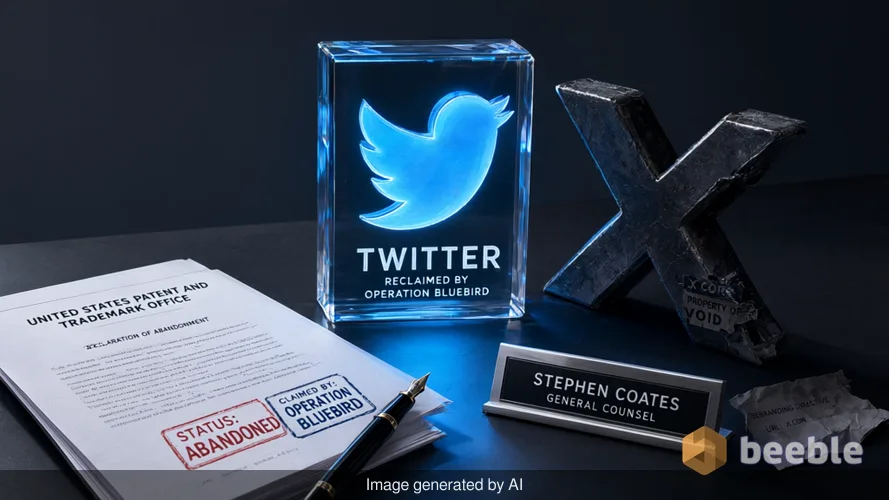
Have you ever wondered if a brand can truly die when its new owner tries to bury it? Most of the time, a corporate rebrand is final. When a company changes its name, the old identity usually fades into history or lives on in dusty trademark filings. However, a group of former employees is testing a different theory. They believe that if you stop using a name, you lose the right to keep it. This week, a startup called Operation Bluebird launched a new social media platform that is not just a clone of the old Twitter. It is actually called Twitter.
Stephen Coates, the former general counsel for the original company, is leading the charge. His message to the public is simple. He wants users to get over their X and return to the bird. This is not a simple case of nostalgia. It is a high-stakes legal gamble that relies on a specific quirk of intellectual property law. If a company stops using a trademark and shows no intent to resume its use, that trademark is considered abandoned. Operation Bluebird argues that when Elon Musk stripped the bird logos from the San Francisco headquarters and changed the URL to x.com, he effectively threw the Twitter brand into the trash. Now, Coates and his team are trying to pick it up.
The legal loophole that reopened the birdhouse
To understand how a startup can legally name itself after a multi-billion-dollar entity, we have to look at the paperwork. In late 2025, Operation Bluebird filed a petition with the US Patent and Trademark Office. They asked the government to cancel the trademarks for Twitter and Tweet. Their argument was straightforward. They claimed X had abandoned these terms by scrubbed them from the user interface and public branding. While Musk still owns the servers and the code, a trademark only stays valid if it is used in commerce to identify a specific service.
Earlier this year, a US District Court judge gave this argument some unexpected weight. Judge Colm Connolly issued a tentative ruling that suggested X may have indeed abandoned its intellectual property claims. This ruling gave Operation Bluebird the green light to launch their platform, twitter.now, even as the legal battle continues. X argues that millions of people still type the old URL to find the site and that the word tweet is still part of the common vocabulary. Practically speaking, this is a fight over whether a brand belongs to the person who bought it or the people who use it.
How the new platform handles your feed
For the average user, the most important question is how this new site differs from the one Musk currently runs. The startup is not trying to build a carbon copy of the 2022 version of the site. Instead, they are focusing on a concept they call freedom of reach. In the current social media ecosystem, algorithms decide which posts get seen by thousands of people and which ones disappear into the void. This often results in a feed full of outrage or paid advertisements that feel like digital clutter.
Twitter.now introduces a feature that acts like a trust dial for your feed. Users can manually adjust how much content they see from trusted versus low trust sources. While the company has not yet explained the exact math behind these trust scores, they point to a document called the Birdhouse Constitution. This set of community guidelines aims to prohibit illegal content, harassment, and scams while letting users control the volume of everything else. It is a decentralized approach to moderation that puts the power in the hands of the scroller rather than a central algorithm.
The cost of joining the digital resistance
Unlike most social media launches that rely on venture capital, Operation Bluebird is asking for money upfront. The platform is currently in an early access phase. You can sign up as a founder for $20. This fee secures your username and gives you a seat at the table during the testing phase. If you want to go further, the startup offers a $40 membership to join the fight. This money goes directly toward the legal fees required to keep the battle against X alive in court.
This business model is essentially a form of legal crowdfunding. The startup describes the situation as a David and Goliath scenario. They are a small team of engineers and lawyers fighting the richest man in the world. From a consumer standpoint, this is a volatile investment. There is no guarantee that the court will not eventually rule in favor of X, which could result in the new site being shut down overnight. However, for the 33 million users who have reportedly left X since the takeover, $20 is a small price to pay for the chance to reclaim a digital neighborhood they once enjoyed.
Comparing the new birds on the block
The market for Twitter alternatives is already crowded. We have seen the rise of Threads by Meta, which has the advantage of a massive existing user base. We have also seen Bluesky, which focuses on decentralized technology. Operation Bluebird is taking a different path by leaning into the brand power of the original name.
| Feature | X (formerly Twitter) | Twitter.now | Bluesky | Threads |
|---|---|---|---|---|
| Owner | Elon Musk | Operation Bluebird | Public Benefit Corp | Meta |
| Cost | Free (Premium available) | $20 for Early Access | Free | Free |
| Primary Goal | Everything App | Reclaiming the Bird | Decentralization | Instagram Extension |
| Feed Control | Algorithmic / Following | User-adjusted Trust Dial | Custom Feeds | Algorithmic |
Looking at the big picture, the success of this project depends on more than just a legal victory. It requires a critical mass of users to move back to a platform that feels like the old days. The startup is betting that people do not want a new brand. They want the old brand with better management. Under the hood, the technology is emerging, but the emotional hook is what drives the sign-ups.
What this means for your digital habits
Ultimately, this battle highlights a shift in how we view digital ownership. For years, we assumed that when a billionaire buys a platform, they own everything including the culture and the name. Operation Bluebird is challenging that assumption by treating a brand like a public park that was left to go to seed. If the park is neglected and the signs are taken down, can someone else come in and replant the grass?
For you, this means the social media market is becoming more fragmented and resilient. You no longer have to stick with one platform just because everyone else is there. If you are frustrated with the current state of X, you now have a tangible alternative that is attempting to fix the systemic issues of reach and trust. However, you should approach these new platforms with a healthy dose of skepticism. Building a scalable social network is difficult and expensive. A $20 founder fee is a start, but it is not a long-term revenue plan.
As this legal drama unfolds in the coming months, keep an eye on the US Patent and Trademark Office. Their decision will set a precedent for every other tech giant that undergoes a radical rebrand. If Musk loses the Twitter trademark, it will prove that in the digital age, you cannot simply sit on a brand name if you are not willing to use it. The bird may be back, but it is flying into a very different sky than the one it left four years ago. Observe your own habits and decide if you are missing a specific tool or just a specific feeling from your digital life.



See you on the other side.
Our end-to-end encrypted email and cloud storage solution provides the most powerful means of secure data exchange, ensuring the safety and privacy of your data.
/ Create a free account
