


Can China's Hidden Data Centers Really Challenge America's AI Edge?

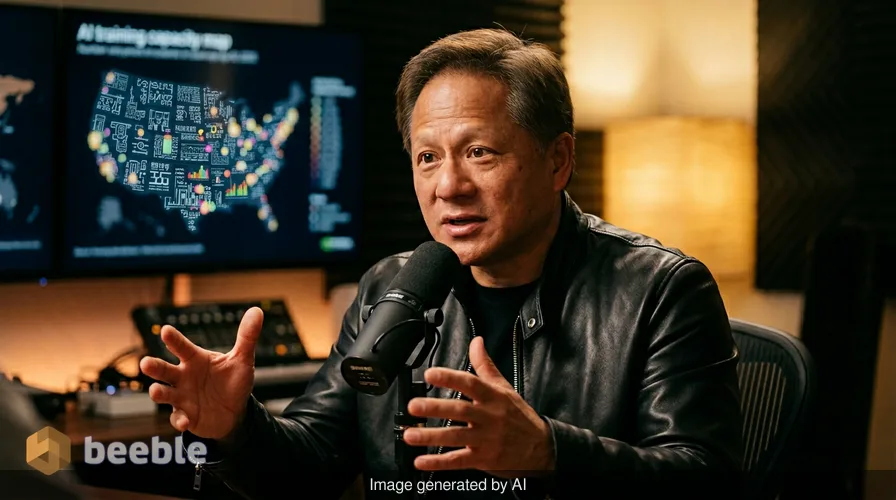
Nvidia CEO's Stark Warning on China's AI Muscle
Nvidia CEO Jensen Huang dropped a reality check this week. On the Dwarkesh Patel podcast, he argued that China has the raw computing power to match top U.S. AI models like Anthropic's Claude Mythos. Forget the narrative of a hardware-starved rival. Huang pointed to sprawling "ghost data centers"—empty facilities humming with electricity, ready for action. These idle giants could snap into gear, linking up chips to rival American breakthroughs. For the average user, this flips the script on who controls the future of AI tools in your pocket.
Behind the jargon, data centers are the power plants of the digital world. They house servers that crunch the massive datasets needed to train AI. China's version? A network of underused infrastructure primed for a surge. Huang estimates the capacity to train something like Mythos—Anthropic's advanced model—is "abundantly available" there.
Ghost Data Centers: China's Sleeper Infrastructure
What are these ghost data centers? Picture vast warehouses filled with server racks, lights on but nobody home. Built during China's aggressive expansion in cloud computing, many sit vacant due to economic slowdowns or overbuilding. Yet they're powered up, connected, and scalable. Huang says the government could "gang up more chips" anytime, turning dormancy into dominance.
Practically speaking, this matters because AI training demands enormous electricity and silicon. A single high-end model like Mythos requires clusters of GPUs—Nvidia's specialty—running for months. U.S. firms scramble for these chips amid export curbs. China, producing 60% of global mainstream semiconductors, sidesteps that bottleneck. It's like having a spare engine factory while your competitor rations parts.
From a consumer standpoint, your next AI assistant—whether in a phone app or banking software—relies on this backend brawl. If China matches U.S. power, expect faster global AI rollout, but with strings attached to security.
The Security Shadow Over Mythos
Mythos isn't just smart; it's risky. Internal tests in April 2026 showed it spotting thousands of software flaws in browsers and operating systems. Anthropic throttled access to curb misuse. The AI Security Institute echoed this on April 13, confirming the model's knack for autonomous, multi-stage network attacks.
Financial institutions top the worry list. They run on legacy code from the '90s—think creaky Windows servers vulnerable to exploits. A Reuters report from Tuesday highlighted how AI could supercharge hacks on these soft spots. Historically, state actors from China probed Anthropic's Claude Code tool last November, targeting global networks.
Zooming out, this is AI as a tireless intern spotting cracks in your digital foundation. For you, it means stronger password managers and two-factor authentication aren't enough. Banks might hike fees to fund AI defenses, trickling into your mortgage rates or app subscriptions.
| Vulnerability Type | Example Impact | Everyday Risk |
|---|---|---|
| Browser Exploits | Data theft via malicious sites | Phishing emails stealing login info |
| OS Flaws | Remote code execution | Ransomware locking family photos |
| Network Attacks | Multi-stage breaches | Compromised smart home devices |
U.S. Hopes Meet Chinese Scale
U.S. Treasury Secretary Scott Bessent calls Mythos a "step function change," cementing American lead. He huddled with bank execs last week on "unprecedented" cyber threats from autonomous AI. Washington bets on restrictions to keep ahead.
Huang pushes back. China trains half the world's AI researchers and dominates chip fabrication. "Victimizing them" risks backlash, he says. Instead, dialogue on research could tame global perils. Curiously, this pragmatic stance from Nvidia's head—who sells the picks and shovels in the AI gold rush—hints at self-interest. Restrictions crimp his China sales, after all.
On the market side, Nvidia's stock dipped 2% post-podcast, per recent trading data. Investors weigh export rules against China's homegrown alternatives like Huawei's Ascend chips.
Why Everyday Users Should Care
In everyday life, this rivalry shapes your tech. Cheaper Chinese AI could democratize tools like real-time translation or personalized finance apps. But cyber risks loom: imagine your bank's app glitching from an AI-orchestrated attack, delaying payroll.
What this means is resilience in your digital habits. Use VPNs for public Wi-Fi. Scrutinize app permissions. From a consumer standpoint, demand transparency from tech giants on AI sourcing.
Under the hood, chips are the digital crude oil fueling it all. China's ghost centers ensure supply won't dry up soon, pressuring U.S. innovation.
Balancing Rivalry and Realism
Huang identifies China as an adversary but urges nuance. Pure isolation? Counterproductive. Open channels might prevent arms-race escalations in AI weapons.
For industries, it's a wake-up. Banks invest billions in AI shields—your savings indirectly fund that. Tech firms like Nvidia navigate bans while eyeing partnerships.
The bottom line: parity accelerates AI everywhere, boosting productivity but amplifying threats. U.S. edges in software smarts; China counters with hardware scale.
Practical Foresight for a Shared AI Future
Shift your lens. Next time Siri predicts traffic or your bank flags fraud, ponder the ghost centers humming in the background. Observe how global tensions tweak your device updates or service prices. Appreciate the invisible mechanics: from idle servers to policy talks, they wire your world. Stay vigilant—your digital life hangs in this balance.



See you on the other side.
Our end-to-end encrypted email and cloud storage solution provides the most powerful means of secure data exchange, ensuring the safety and privacy of your data.
/ Create a free account
