


Digital Minimalism: Reclaiming Your Attention in the Age of AI Hyper-Personalization

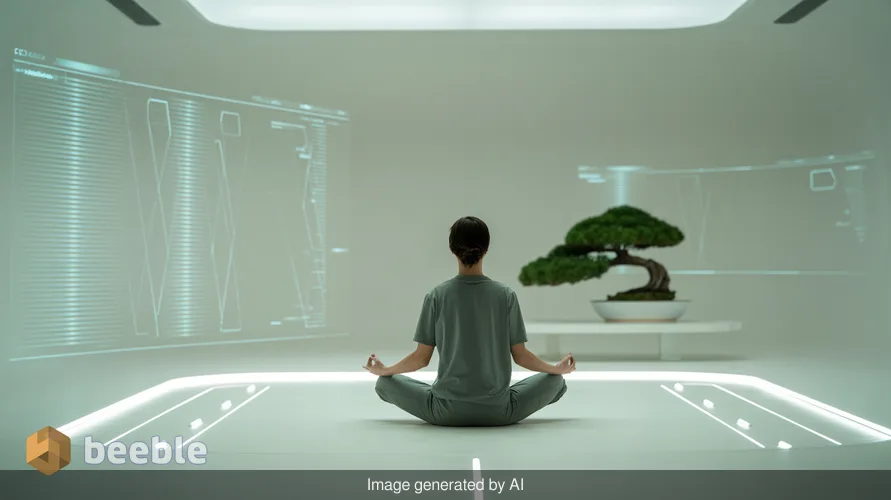
In the early months of 2026, the digital landscape feels more crowded than ever. We are no longer just managing social media feeds; we are navigating a world of AI-driven hyper-personalization where our devices anticipate our needs before we even voice them. While this predictive technology offers convenience, it has also raised the stakes for our most precious resource: our attention.
Digital minimalism is not a movement of Luddites or a call to abandon the modern world. Instead, it is a sophisticated philosophy of technology use. It suggests that we should focus our online time on a small number of carefully selected activities that strongly support the things we value, and then happily miss out on everything else.
The Cost of Constant Connectivity
For years, we treated digital tools as harmless additions to our lives. We downloaded apps because they were free or trendy, rarely questioning the long-term cognitive cost. By 2026, the data is clear: the "always-on" culture contributes significantly to cognitive fragmentation. When we jump between notifications, our brains pay a "switching cost" that lowers our functional IQ and drains our creative energy.
Tech giants have perfected the art of the dopamine loop. Every swipe and refresh is engineered to keep us engaged for just a few seconds longer. Digital minimalism flips this script. It asks us to stop viewing technology as a default and start viewing it as a tool that must earn its place in our pockets.
The 30-Day Digital Declutter
One of the most effective ways to transition into a minimalist lifestyle is the "digital declutter." This is a month-long process where you step away from optional online activities.
During these thirty days, you silence the noise to rediscover what actually brings you joy. You might find that you don't actually miss the endless political debates on social platforms, but you do miss the deep focus required to read a physical book. At the end of the month, you don't simply dump all the apps back onto your phone. Instead, you reintroduce them one by one, asking: Does this tool serve a specific, high-value purpose in my life?
Strategies for Intentional Use
Becoming a digital minimalist requires more than just willpower; it requires a system. Here are several practical tactics that have gained traction among those looking to reclaim their focus:
- The Grayscale Shift: Modern interfaces are designed with vibrant colors to trigger psychological responses. Turning your phone display to grayscale makes the device significantly less stimulating and reduces the urge to mindlessly scroll.
- Asynchronous Communication: Instead of reacting to every message in real-time, set specific windows for checking email and messaging apps. This protects your "deep work" blocks from constant interruption.
- The "One-In, One-Out" Rule: For every new digital subscription or app you sign up for, remove one that no longer serves you. This prevents the slow creep of digital clutter.
- Analog Alternatives: Whenever possible, choose the physical version of a tool. Use a paper notebook for brainstorming or a dedicated alarm clock instead of your phone. Keeping the phone out of the bedroom is perhaps the single most impactful change a person can make.
Leveraging AI for Minimalism
Paradoxically, the same AI technologies that threaten our focus can also be used to protect it. In 2026, we are seeing the rise of "Minimalist AI Agents." These are tools designed to act as a buffer between the user and the chaotic internet.
Instead of browsing a dozen news sites, an AI agent can provide a concise, text-only summary of the topics you actually care about. By using AI to filter and aggregate, we can stay informed without falling into the trap of infinite scrolling. The goal is to use technology to spend less time on technology.
The Value of Solitude
At the heart of digital minimalism is the restoration of solitude. In a world where we can reach anyone instantly, we often lose the ability to be alone with our own thoughts. Solitude is where original ideas are born and where we process complex emotions.
By choosing to put the phone away during a walk or a meal, we aren't just being polite; we are giving our brains the space they need to function at a high level. Digital minimalism isn't about what you're losing; it's about what you're gaining: a life of more meaning, more focus, and less noise.
Practical Takeaways: Your Next Steps
If you feel overwhelmed by your digital life, don't try to change everything at once. Start with these three steps:
- Audit your notifications: Turn off everything except for direct messages from actual humans. No news alerts, no shopping pings, no "likes."
- Define your values: Write down the three things that matter most to you (e.g., family, craft, health). If an app doesn't directly support these, move it off your home screen.
- Establish tech-free zones: Designate the dinner table and the bedroom as areas where screens are not allowed. Use this time to reconnect with yourself or those around you.
Sources
- Cal Newport’s official research on Digital Minimalism and Deep Work.
- Center for Humane Technology: Reports on the attention economy.
- Journal of Computer-Mediated Communication: Studies on the psychological impact of social media.
- American Psychological Association: Guidelines on digital health and screen time.



See you on the other side.
Our end-to-end encrypted email and cloud storage solution provides the most powerful means of secure data exchange, ensuring the safety and privacy of your data.
/ Create a free account
