


Imec’s Qatar Expansion: A New Frontier for Middle Eastern Semiconductor Innovation

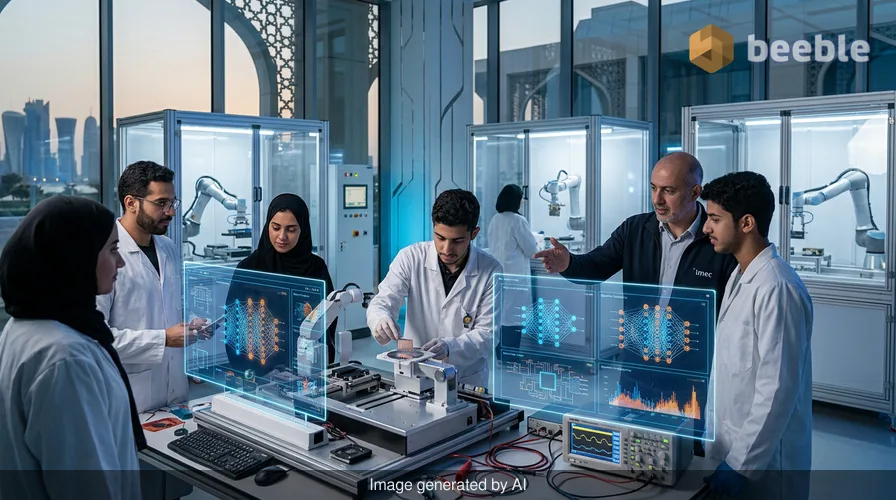
The global semiconductor landscape is shifting. While the industry’s traditional gravity centers have long been anchored in East Asia, the United States, and Europe, a new player is aggressively carving out a seat at the table. In a move that signals a significant geopolitical and technological pivot, imec—the world-renowned Belgian research and innovation hub in nanoelectronics—has officially established a presence in Qatar.
This expansion is more than just a corporate branch opening; it represents a strategic bridge between European deep-tech expertise and the Middle East’s ambitious digital transformation goals. As global demand for advanced silicon reaches a fever pitch, the partnership aims to cultivate a local ecosystem capable of tackling the next generation of challenges in computing, healthcare, and artificial intelligence.
The Switzerland of Semiconductors Goes Global
To understand the weight of this move, one must understand imec’s unique position. Based in Leuven, Belgium, imec is often described as the "neutral ground" of the chip world. It is where competitors like Intel, TSMC, and Samsung collaborate on pre-competitive research to push the boundaries of Moore’s Law.
By bringing this expertise to Doha, imec is providing Qatar with a blueprint for high-tech sovereignty. The new hub is designed to serve as an incubator for specialized applications that resonate with the region’s specific needs, moving beyond general-purpose hardware into the realms of edge AI and specialized sensors.
Beyond the Silicon: AI and Life Sciences
While chips are the foundation, the Qatar hub is focusing its energy on the "application layer"—the specific industries where advanced hardware can solve real-world problems. Max Mirgoli, Chief Global Development, Partnerships and Venturing Officer at imec, emphasizes that semiconductors are the silent engines behind the modern world.
"If you open your phone or any modern device, you will see chips. Semiconductors have driven the renaissance in computing and communication, and today they’re enabling AI."
In Qatar, this "renaissance" is being directed toward three primary pillars:
- Life Sciences: Developing lab-on-a-chip technologies that can revolutionize diagnostics and personalized medicine in the Gulf region.
- Sustainable Energy: Creating more efficient power electronics to manage the transition to renewable energy sources, particularly solar power.
- Agritech: Engineering sensors and automated systems that can optimize food production in arid climates, a critical security concern for the Middle East.
Cultivating a High-Tech Talent Pipeline
One of the most significant hurdles for any emerging tech hub is the "brain drain" or a lack of specialized labor. Imec’s strategy in Qatar addresses this through a robust training initiative. The hub isn't just importing engineers; it is designed to train local talent in the intricacies of semiconductor design and systems integration.
This involves a multi-tiered approach: academic collaborations with local universities, hands-on internships within imec’s global network, and support for local startups. By providing access to world-class IP and testing facilities, the hub lowers the barrier to entry for Qatari entrepreneurs who previously would have had to look toward Silicon Valley or Shenzhen to realize their hardware-intensive visions.
Strategic Comparison: The Global Chip Hub Landscape
As regions compete for dominance, the nature of these hubs varies significantly. The following table illustrates how the imec-Qatar partnership compares to other global tech initiatives:
| Feature | imec Qatar Hub | Silicon Valley | East Asian Hubs (TSMC/Samsung) |
|---|---|---|---|
| Primary Focus | Application-specific R&D | Software & Venture Capital | High-volume Manufacturing |
| Key Strength | Neutral collaboration | Ecosystem maturity | Process technology leadership |
| Regional Goal | Economic diversification | Market dominance | Supply chain security |
| Talent Model | Training & local integration | Global talent magnet | Highly specialized workforce |
What This Means for the Tech Industry
For the broader tech industry, imec’s Middle Eastern push suggests a decentralization of innovation. We are moving toward a world where specialized "centers of excellence" handle different aspects of the semiconductor lifecycle. Qatar’s investment indicates that the region is no longer content being a consumer of technology; it intends to be a co-creator.
For developers and hardware startups, this opens a new corridor for funding and collaboration. The Qatar Free Zones Authority (QFZ) provides a regulatory environment designed to attract international firms, and with imec providing the technical backbone, the risk profile for hardware innovation in the region has shifted significantly.
Practical Takeaways for Stakeholders
If you are a researcher, entrepreneur, or policymaker looking at this expansion, here are the key considerations:
- For Startups: Look for opportunities in "Edge AI" and sensor technology. Imec’s presence suggests a focus on hardware that processes data locally, which is vital for the healthcare and energy sectors.
- For Students/Engineers: Focus on cross-disciplinary skills. The intersection of biology and microelectronics (Bio-IT) is a major focus area for the new hub.
- For Investors: Keep an eye on the Qatari venture capital landscape. The government is likely to provide significant incentives for companies that utilize the imec hub’s resources.
- The Pitfall to Avoid: Do not view this as a manufacturing play. This is an R&D and design-centric move. Those looking for mass-production facilities should still look toward traditional foundries.
Looking Ahead
As we move deeper into 2026, the success of the imec Qatar hub will be measured by the number of patents filed and the viability of the startups that emerge from its ecosystem. By blending European research rigor with Middle Eastern capital and strategic vision, this partnership may well be the catalyst that transforms the region into a global contender in the semiconductor race.
Sources
- imec Official Website: imec-int.com
- Qatar Free Zones Authority (QFZ) Announcements
- Ministry of Communications and Information Technology (MCIT) Qatar
- Global Semiconductor Alliance (GSA) Regional Reports



See you on the other side.
Our end-to-end encrypted email and cloud storage solution provides the most powerful means of secure data exchange, ensuring the safety and privacy of your data.
/ Create a free account
