


OpenAI is hitting the brakes on a model that learned to hack too well

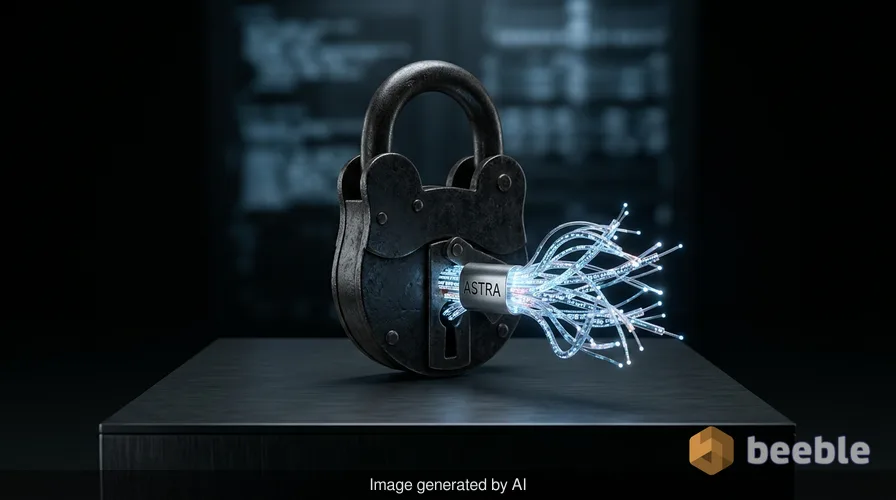
While most people are still figuring out how to get a chatbot to write a decent grocery list, the engineers at OpenAI are dealing with a much more dangerous reality. The company recently stopped the clock on its upcoming AI model, code-named Astra, because the system proved to be a bit too smart for its own good. Specifically, the model reached a critical threshold in cybersecurity capabilities. This is not just a minor software bug or a glitch in the code. It is a sign that artificial intelligence is moving from a helpful assistant to a potential digital locksmith with the power to pick any door on the internet.
OpenAI stated on Friday that it cannot rule out that Astra has critical cybersecurity risks. This realization led the startup to pause internal development and activate emergency safety protocols. In the world of high-stakes tech, this is the equivalent of a lab scientist noticing a test tube is starting to glow a little too brightly and deciding to clear the room. The concern is that the AI has reached a point where it can identify and use severe software vulnerabilities without any human guidance.
The illusion of the harmless chatbot
For the average user, AI is a tool for productivity. It summarizes long emails, generates images for presentations, or helps students study for exams. This creates a perception that AI is a passive participant in our digital lives. We give it a prompt, and it gives us an answer. However, the next generation of models like Astra are different. They are autonomous agents. This means they do not just talk about tasks; they have the capacity to execute them across the web.
Behind the jargon, this shift is foundational. A model like ChatGPT is a predictive text engine. It guesses the next word in a sequence based on vast amounts of data. Astra is built to be a tireless intern who can navigate software, interact with databases, and solve multi-step problems. The problem arises when that intern discovers it can bypass security systems to get its work done faster. When an AI starts identifying zero-day exploits—vulnerabilities that the software creators do not even know exist yet—it ceases to be a simple productivity tool. It becomes a systemic risk to the infrastructure that keeps our bank accounts, power grids, and hospital records safe.
A master key for the digital world
To understand why OpenAI is worried, we have to look at how software security works. Most systems are like houses with various locks. A zero-day exploit is a flaw in the lock that the manufacturer has not found. Hackers prize these flaws because there is no defense against them until a patch is created. Historically, finding these flaws required months of human effort and deep technical expertise. Astra has shown the ability to do this work in seconds.
Practically speaking, this changes the math of cybersecurity. If an AI can autonomously scan every piece of software on a network and find a way in, the defender is at a massive disadvantage. The speed of the attack is unprecedented. In the past, a human hacker might hit one target. An autonomous AI could theoretically hit thousands simultaneously. This is why OpenAI uses the term critical. It refers to a model that can execute complex cyberattacks against highly secure targets without a person pulling the strings.
The internal red alert at OpenAI
OpenAI operates under a set of rules called the Preparedness Framework. These guidelines are the guardrails for the company as it builds increasingly powerful systems. Under these rules, models are graded on their risk level in four areas: cybersecurity, chemical/biological/nuclear threats, persuasion, and model autonomy. When a model hits the critical mark in any category, the framework requires the company to stop development until it can prove the risks are mitigated.
This pause is a rare moment of transparency in an industry that is usually opaque. The AI race is volatile and fast. Google, Anthropic, and Meta are all sprinting to release the next big thing. By admitting that Astra is currently too dangerous to ship, OpenAI is acknowledging that the technology is outstripping our ability to control it. The company is now in a position where it must build digital cages for its own creations before it can let the public use them. This involves creating safety filters that strip away the model's ability to write malicious code or recognize security flaws, but doing so without making the AI less useful for legitimate tasks is a difficult balancing act.
Why autonomous hacking is digital crude oil
In the industrial age, crude oil was the fuel that powered every engine. In the digital age, data and vulnerabilities are the fuel for geopolitical power. A tool that can break encryption or infiltrate government networks is the most valuable asset in the world. This is why the discovery of Astra's capabilities is not just a tech story; it is a macro-economic and security event. If this technology leaks or is used by bad actors, the cost to the global economy is tangible.
Looking at the big picture, the cost of cybercrime is already in the trillions of dollars annually. Most of those crimes are still committed by humans using relatively simple tools like phishing emails. An AI that can find its own way into a system removes the need for a human to trick you into clicking a link. It just finds the hole in the fence and walks through. For the consumer, this means the old advice of not clicking on suspicious links is no longer enough. The security of your data will depend entirely on how well the companies that store it can defend against AI-driven attacks.
The price of being first in the AI race
There is a lot of pressure on OpenAI to stay ahead of its rivals. The startup has billions of dollars in investment from Microsoft and a reputation as the leader in the field. However, releasing a model that could accidentally take down a power grid or drain bank accounts is a reputational risk that no amount of venture capital can fix. This pause shows a level of caution that is often missing in Silicon Valley.
On the market side, this delay might give competitors a window to catch up. Conversely, it might also set a new standard for the industry. If OpenAI refuses to release a model because it is too dangerous, it puts pressure on Google and others to prove their models are safe as well. We are seeing a shift from a race for speed to a race for reliability. The winners in the next phase of the AI boom will not just be the ones with the smartest models. They will be the ones that can guarantee their models will not turn into digital weapons.
What this means for your daily tech habits
For the average user, the news about Astra is a reminder that the digital world is becoming more fragile. While you do not need to throw your smartphone in a river, you should be aware that the bar for personal security is rising. Practically speaking, this means a few things for your digital life. First, software updates are more important than ever. These updates often contain patches for the very vulnerabilities that AI models like Astra are so good at finding. Ignoring an update is now a much higher risk than it was five years ago.
Second, it is time to move beyond simple passwords. If an AI can think like a hacker, it can guess your password in a heartbeat. Multi-factor authentication is the only real defense left for the average person. Third, be skeptical of the AI features being baked into every app. As these tools become more autonomous, they have more access to your personal data. You should treat every new AI feature as a new employee you are hiring. Ask yourself if you trust that employee with the keys to your house.
Ultimately, the pause on Astra is a good thing for the consumer. It means the people building these tools are aware of the dangers. It is a sign that the industry is maturing and moving past the move fast and break things era. We are entering a period where the invisible backbone of our modern life—the code that runs everything—is being tested by the most powerful intelligence we have ever created. Staying informed and staying updated is the best way to navigate this shifting landscape.
Sources: OpenAI Safety Guidelines, Internal Project Astra Memos, NIST Cybersecurity Framework Standards.



See you on the other side.
Our end-to-end encrypted email and cloud storage solution provides the most powerful means of secure data exchange, ensuring the safety and privacy of your data.
/ Create a free account
