


Spain’s New Digital Shield: Why Big Tech Executives May Soon Face Personal Liability

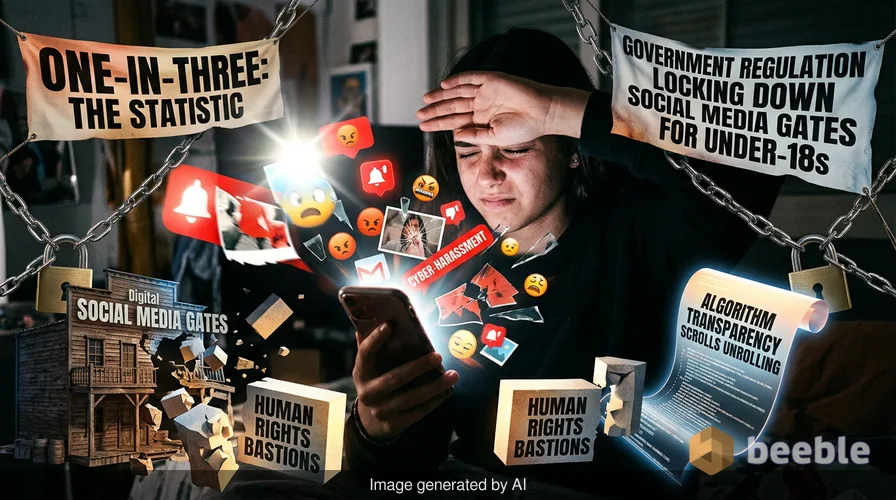
In Spain today, nearly one in three teenagers reports experiencing some form of cyber-harassment or exposure to harmful content before they even turn eighteen. While the digital world has often been treated as a frontier where traditional rules don’t apply, the Spanish government is signaling that the era of the 'Digital Wild West' is officially over. Despite intense pressure from some of the wealthiest corporations on the planet, Spain is moving forward with a regulatory framework designed to put human rights—and the safety of children—ahead of the quarterly profit margins of social media giants.
Digital Transformation Minister Oscar Lopez recently made the government's stance clear: the profit of a handful of tech companies cannot come at the expense of the rights of millions. This isn't just a political talking point; it is the foundation of a sweeping legislative push that includes banning social media for younger teenagers, forcing algorithm transparency, and, most controversially, holding tech executives personally responsible for what happens on their platforms.
The End of the Digital Wild West
For decades, the prevailing philosophy in tech was 'move fast and break things.' In a regulatory context, this meant a laissez-faire approach—essentially a hands-off policy where companies were largely left to police themselves. Minister Lopez warns that those who defend this 'law of the jungle' will eventually regret it. From a legal standpoint, the argument is simple: if an activity is illegal in a physical town square, it must be illegal in the digital one.
Think of these new regulations as building codes for the internet. Just as we require architects to ensure a building won't collapse on its occupants, Spain is demanding that tech companies ensure their digital environments are structurally sound and safe for the public. This shift moves us away from a precarious state where users bear all the risk, toward a more robust system of corporate accountability.
Holding the C-Suite Accountable
one of the most striking features of the proposed Spanish legislation is the move to hold tech executives personally liable for hate speech on their platforms. In legal terms, being liable means you are legally responsible for a specific outcome or debt. Typically, corporate law acts as a shield, protecting individual managers from the failures of the company. However, Spain’s new direction suggests that when systemic negligence leads to widespread social harm, the 'corporate veil' may be pierced.
This is a fundamental shift in how we view the responsibility of those at the helm of Big Tech. If a CEO knows that their platform’s algorithm is actively promoting illegal hate speech or dangerous misinformation and does nothing to stop it, they could face statutory penalties. This moves the issue from a simple 'cost of doing business' fine to a matter of personal professional risk, which the government hopes will incentivize real change rather than just boilerplate apologies.
The Algorithm as a Black Box
We interact with algorithms every time we scroll through a feed, yet for most of us, these systems are a 'black box'—we see what goes in and what comes out, but the internal logic remains a secret. Spain is pushing for rules that would force companies to disclose how these algorithms work.
Why does this matter to the average user? Algorithms are designed to maximize 'engagement,' which often means showing users content that triggers strong emotional reactions like anger or fear. In the eyes of the law, this practice can cross the line into 'addictive and harmful design.' By forcing transparency, the government wants to ensure that these digital blueprints aren't being used to exploit psychological vulnerabilities, particularly in minors.
Protecting the Vulnerable: The Teenager Ban
In February, Spain announced plans to ban social media use for teenagers under a certain age—a move currently working its way through parliament. This isn't just about 'screen time'; it's a response to what Lopez describes as a 'mental health pandemic' fueled by cyberbullying, sexual harassment, and AI-generated sexual deepfakes.
| Practice | Current Status (Laissez-Faire) | Proposed Spanish Rule (Regulated) |
|---|---|---|
| Age Verification | Self-declaration (Honesty system) | Robust digital ID verification |
| Algorithmic Bias | Proprietary secret | Mandatory transparency/audit |
| Hate Speech | Platform-level fines | Executive-level personal liability |
| Minor Protection | Terms of Service warnings | Statutory bans and strict safeguards |
To enforce this, Spain is looking at sophisticated age-verification tools. While critics argue this could infringe on privacy, the government contends that the status quo—where a twelve-year-old can easily bypass a 'must be 13' checkbox—is an actionable failure of duty of care toward the most vulnerable members of society.
The Myth of Online Anonymity
A common debate in digital jurisprudence involves the right to use a pseudonym. While pseudonyms can protect activists and whistleblowers, they are also frequently used as a shield for criminal activity. Minister Lopez addressed this directly, stating that anonymity should not shield individuals from liability if they commit crimes online.
This doesn't necessarily mean the end of privacy. Instead, it suggests a nuanced approach where, in a regulatory context, law enforcement can peel back the layer of anonymity when there is probable cause that a crime has been committed. It’s the difference between wearing a mask at a masquerade ball (perfectly legal) and wearing one to rob a bank (an aggravating factor in a crime).
A Unified European Front
Spain isn't acting in a vacuum. These moves echo the European Commission’s upcoming Digital Fairness Act, spearheaded by President Ursula von der Leyen. The goal is a common European approach, as rules are far easier to enforce across a bloc of 400 million citizens than on a country-by-country basis.
This overarching strategy aims to create 'Trustworthy AI.' In practice, this means prioritizing privacy, democracy, and public safety over the sheer speed of development or corporate profit. By setting a high bar for entry into the European market, Spain and its allies are essentially telling Big Tech that the price of access is a comprehensive commitment to user safety.
Practical Takeaways for the Everyday User
While the legal battles play out in parliament and the courts, there are steps you can take to protect yourself and your family in this shifting landscape:
- Review Privacy Settings Regularly: Don't assume the 'default' is safe. Most platforms hide more protective settings deep in their menus.
- Document Online Harassment: If you or a family member are the victims of hate speech or deepfakes, keep records. Under new laws, these incidents are increasingly actionable.
- Question the Feed: Recognize that your feed is a curated product designed for engagement. If it feels addictive, it’s likely by design.
- Stay Informed on Age Verification: As Spain rolls out digital ID tools, understand how your data is being used to verify age without compromising your entire identity.
Summary and Next Steps
The push for digital regulation in Spain represents a significant turning point in consumer rights. By moving from a model of 'user beware' to one of 'corporate responsibility,' the law is finally catching up with the reality of the 21st century. Whether it is through the ban on teenage social media use or the threat of personal liability for executives, the message is clear: the digital world is no longer a lawless territory.
If you feel your digital rights have been violated, or if you are concerned about how these new laws affect your business or family, it is worth staying engaged with consumer protection agencies. The legal landscape is changing fast, and staying informed is your best defense.
Sources:
- Digital Services Act (EU Regulation 2022/2065)
- EU Artificial Intelligence Act (Regulation 2024/1689)
- Spanish Ministry for Digital Transformation and Civil Service (Official Statements)
- European Commission Digital Fairness Act (Proposed Framework)
- General Data Protection Regulation (GDPR)
Disclaimer: This article is for informational and educational purposes only and does not constitute formal legal advice. Laws regarding social media and AI are evolving rapidly and vary by jurisdiction. Please consult with a qualified attorney in your area for specific legal concerns or issues related to digital rights and liability.



See you on the other side.
Our end-to-end encrypted email and cloud storage solution provides the most powerful means of secure data exchange, ensuring the safety and privacy of your data.
/ Create a free account
