


The Anatomy of a Legal Shield: How 15 Firms Are Rewriting the Rules of Money

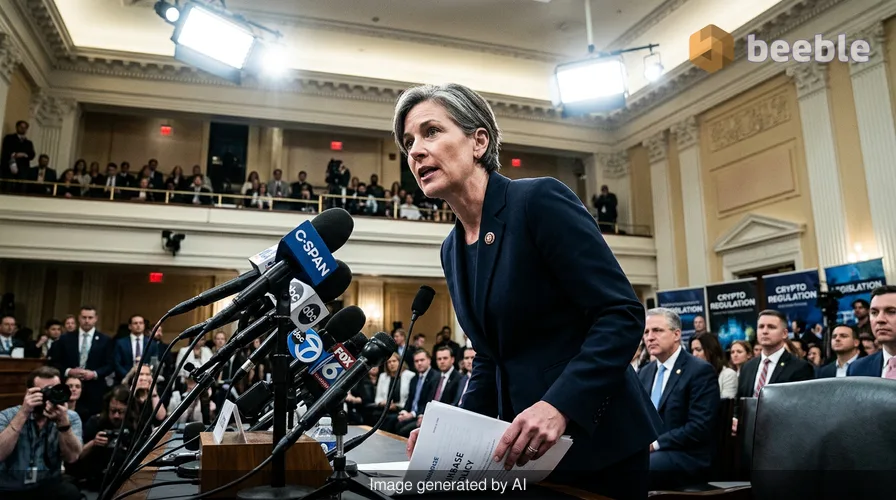
In the early days of digital assets, the prevailing mantra was that code is law—a belief that mathematical certainty could replace the messy, often biased systems of human governance. Today, that idealistic vision has met the cold reality of the courtroom; the survival of the industry now depends less on the elegance of a smart contract and more on the sharp arguments of a senior litigator.
Zooming out, we see a profound transformation in how we define value. Historically, money was a collective belief system backed by the physical might of a state; paradoxically, crypto has become a collective belief system backed by the intellectual might of the world’s most expensive law firms. As we sit in 2026, the distance between your digital wallet and a Supreme Court brief has never been shorter. Every time you swap a token or earn yield, you are standing on a foundation built by a small group of legal architects who have spent years fighting to prove that innovation is not a crime.
The Vanguard: Defending the Right to Exist
At the heart of this struggle are the individuals who took the first punches from regulators. Stuart Alderoty, Chief Legal Officer at Ripple, and Paul Grewal, his counterpart at Coinbase, have become household names for anyone tracking the intersection of finance and technology. These are not just corporate lawyers; they are the de facto diplomats of the decentralized world.
Through this economic lens, their work represents a systemic shift. When Ripple fought the SEC over the status of XRP, they weren't just defending a company; they were challenging the idea that a 1946 legal test for orange groves should dictate the future of global liquidity. Similarly, Paul Grewal’s strategy at Coinbase has been one of aggressive transparency, forcing regulators to define the rules of the road rather than issuing tickets after the fact.
The Institutional Architects: Bridging TradFi and DeFi
While the front-line fighters grab the headlines, a group of elite firms has been working behind the scenes to build the plumbing that allows institutional capital to flow. Gibson Dunn & Crutcher, specifically through their work with Grayscale, achieved what many thought impossible: they forced the SEC to acknowledge that a Bitcoin ETF was not just a speculative whim but a legitimate financial instrument.
Consequently, firms like Latham & Watkins and Skadden, Arps, Slate, Meagher & Flom have become the go-to advisors for Wall Street giants entering the space. They provide the nuanced frameworks that allow a pension fund to hold Bitcoin with the same confidence it holds Treasury bonds. In practice, these lawyers act as the translators between the volatile world of crypto and the risk-averse world of traditional finance, ensuring that the "glass bank vault" of the blockchain remains compliant with centuries-old fiduciary duties.
The 15 Powerhouses Shaping the Future
To understand who is truly holding the line, we must look at the firms and individuals who have consistently appeared in the most consequential filings of the last decade.
| Lawyer / Firm | Primary Impact Area |
|---|---|
| Stuart Alderoty (Ripple) | Challenging the definition of securities in digital assets. |
| Paul Grewal (Coinbase) | Pushing for regulatory clarity and legislative reform. |
| Gibson Dunn & Crutcher | Securing the landmark victory for Bitcoin ETFs. |
| Debevoise & Plimpton | Providing high-stakes litigation defense for major protocols. |
| Latham & Watkins | Advising on institutional entry and cross-border compliance. |
| Quinn Emanuel | Specialized litigation for complex DeFi and exchange disputes. |
| Sullivan & Cromwell | Navigating the fallout of major collapses and restructuring. |
| Skadden Arps | Structuring the first generation of regulated crypto products. |
| Paul Weiss | Developing long-term regulatory and policy strategies. |
| Steptoe LLP (Coy Garrison) | Bridging the gap between former regulators and industry needs. |
| Davis Polk & Wardwell | Drafting the policy papers that shape stablecoin legislation. |
| WilmerHale | Managing high-pressure government investigations and enforcement. |
| White & Case | Handling the pervasive legal challenges of global crypto operations. |
| Katherine Minarik (Uniswap) | Defending the decentralized nature of automated protocols. |
| Rebecca Rettig (Polygon Labs) | Leading the charge on policy and the "Value Layer" of the internet. |
The Policy Shapers and the DeFi Defense
As we move from the courtroom to the halls of Congress, the battle becomes more structural. Lawyers like Rebecca Rettig at Polygon Labs and Katherine Minarik at Uniswap Labs are fighting a different kind of war. They aren't just reacting to lawsuits; they are proactively writing the policy papers that appear in Senate testimony.
Their goal is to ensure that decentralization remains a tangible reality rather than a legal fiction. If a protocol is truly decentralized, who do you sue? This question is not just a philosophical puzzle; it is a profound legal challenge that firms like Quinn Emanuel and Steptoe are dissecting daily. They are arguing that you cannot hold a software developer liable for how a global, permissionless network is used, any more than you can sue the inventor of the wheel for a getaway car.
Why Your Wallet Cares About a Legal Brief
Financially speaking, these legal battles are the most important "market indicators" we have. When a firm like WilmerHale or Davis Polk successfully argues for a narrower interpretation of a law, they are effectively reducing the "regulatory tax" on your investments.
On an individual level, this matters because it dictates the safety and accessibility of your savings. A victory for Coinbase is a victory for the user who wants to know their exchange won't be shut down overnight. A win for Ripple is a win for the small business owner using XRP to settle international invoices without losing 3% to a predatory middleman. These lawyers are the ones ensuring that the "invisible leak" of inflation and institutional friction doesn't simply get replaced by the "invisible hand" of government overreach.
Conclusion: The New Guardians of Trust
Ultimately, we are witnessing the birth of a new legal specialty that is as much about behavioral economics as it is about the law. These 15 firms and individuals understand that money is, at its core, a social contract. By fighting these battles, they are updating that contract for the 21st century.
As you navigate this shifting landscape, it is worth practicing a bit of financial mindfulness. The next time you see a headline about a court ruling or a new piece of legislation, don't view it as dry legal news. View it as a maintenance report on the infrastructure of your financial future. We are moving away from a world where we trust institutions because we have to, and toward a world where we trust systems because they are transparent, resilient, and legally sound. The lawyers are just the ones making sure the transition doesn't break the bank.
Sources:
- U.S. Securities and Exchange Commission vs. Ripple Labs Inc. (Court Filings)
- Grayscale Investments, LLC v. SEC (D.C. Circuit Opinion)
- Coinbase Inc. v. SEC (Petition for Rulemaking and Subsequent Litigation)
- The Financial Innovation and Technology for the 21st Century Act (FIT21) Legislative Text
- Analysis of Legal Fees and Representation in Crypto Bankruptcy Proceedings (2023-2025)



See you on the other side.
Our end-to-end encrypted email and cloud storage solution provides the most powerful means of secure data exchange, ensuring the safety and privacy of your data.
/ Create a free account
