


The Biological Archive: Decoding Latvia’s New Genomic Blueprint

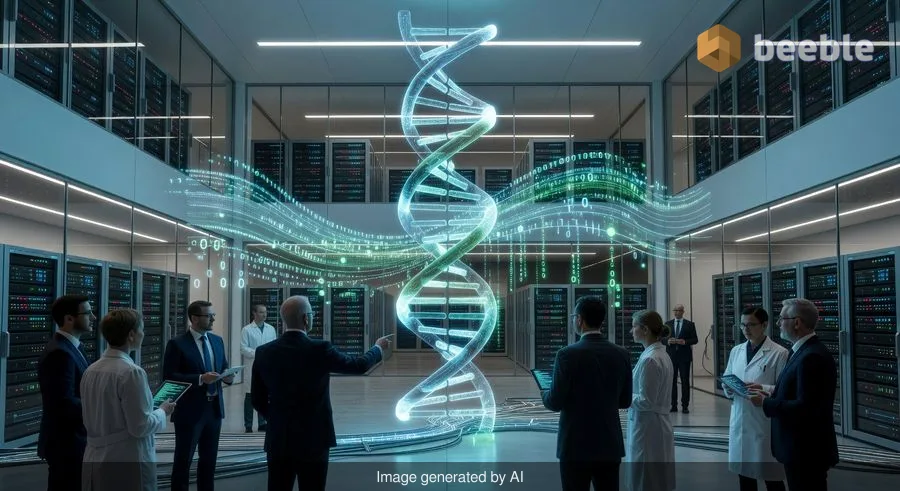
Why do we find a strange comfort in the clinical precision of a laboratory, even as we fear the cold anonymity of the digital age? There is a profound irony in the way we guard our social media passwords with ferocity while willingly handing over our most intimate code—our DNA—to the state. We are living through a period where the self is no longer just a narrative of experiences, but a sequence of base pairs stored in a high-performance computing cluster.
On March 19, 2026, the Latvian Cabinet of Ministers took a decisive step in formalizing this transition. By approving amendments to the national genome-infrastructure project, the government didn't just update a project passport; it essentially redrafted the social contract between the citizen’s body and the state’s digital architecture. Through this lens, the blood sample becomes a bridge between the visceral reality of our health and the systemic requirements of modern governance.
The Architecture of Biological Memory
At its core, the amended Cabinet Order No. 81 is a logistical roadmap for the creation of the 'Latvia’s population reference-genome information-technology infrastructure.' While the title sounds like something out of a bureaucratic fever dream, its implications are deeply rooted in our collective future. The Latvian Biomedical Research and Study Centre (BMC) has been designated as the primary beneficiary, tasked with building what is known as VIGDIS—the national genome-data information system.
Historically, archives were made of paper and ink, capturing the shifting tides of history through letters and decrees. Today, the archive is molecular. The VIGDIS system is designed to securely store, process, and provide access to genomic data, serving as a repository for healthcare, scientific research, and innovation. Paradoxically, as our daily lives become more ephemeral and digital, our biological data is becoming more permanent and structured.
From Atomization to Collective Resilience
In everyday terms, we often feel like an archipelago—individuals living densely packed in cities like Riga, yet completely isolated in our personal health struggles. We experience illness as a private, atomized event. However, the national genome project suggests a different sociological model. By aggregating individual data into a population reference genome, the project transforms personal vulnerability into collective resilience.
Zooming out, this initiative aligns with the draft Biobank Act, which will define how this data is managed. This isn't just about storage; it’s about the 'habitus' of modern medicine. The project includes several key components that reflect this systemic shift:
| Component | Purpose | Sociological Impact |
|---|---|---|
| VIGDIS System | Centralized genomic data storage | Transition from fragmented records to a unified biological identity. |
| HPC Integration | High-performance computing for data processing | The acceleration of the 'attention economy' applied to molecular biology. |
| Dynamic Consent | Multi-tenant architecture for biobank participants | Reclaiming agency in a transparent, yet complex, digital ecosystem. |
| EU Data Exchange | Secure cross-border genomic standards | The breakdown of national borders in the face of universal human biology. |
The Philology of Consent
Linguistically speaking, the term 'dynamic informed-consent' is a fascinating evolution. In the past, consent was a static event—a signature on a piece of paper that remained frozen in time. In the context of the new Latvian infrastructure, consent becomes a living discourse. It is a multi-tenant architecture that allows individuals to interact with how their data is used over time.
This shift is symptomatic of a broader cultural change. We no longer trust opaque, one-time agreements. We demand a transparent, ongoing relationship with the institutions that hold our data. Consequently, the BMC’s role isn't just scientific; it is custodial. They are the librarians of our genetic heritage, managing a patchwork quilt of data that represents the biological memory of the Latvian people.
Navigating the Liquid Modernity of Health
Culturally speaking, we are moving away from the 'liquid modernity' described by Zygmunt Bauman—where everything is transient and uncertain—toward a form of algorithmic certainty. We hope that by mapping the genome, we can anchor ourselves against the systemic chaos of unpredictable diseases. The project’s focus on prevention, diagnosis, and treatment is an attempt to use technology as an anchor, keeping us grounded in an era of rapid social and environmental change.
Yet, there is a nuanced tension here. While the project promises non-commercial use and strict access rules, the pervasive nature of digital infrastructure means that our biological 'self' is now part of a larger, interconnected web. De facto, your genome is no longer just yours; it is a data point in a national strategy for innovation.
Reflective Takeaways for the Digital Citizen
As we watch these high-level amendments take shape, it is worth pausing to reflect on our own place within these systems. We are more than the sum of our data points, yet our data points are increasingly what allow us to access modern care.
- Observe the Shift: Next time you visit a clinic, notice the transition from physical records to digital portals. How does this change your sense of 'ownership' over your own body?
- Question the Norm: As the Biobank Act moves forward, consider what 'informed consent' means to you. Is it a box to be checked, or a continuous conversation with the future of science?
- Reclaim the Human: In a world of high-performance computing and genomic references, remember that health is still a visceral, human experience. Technology is the tool, but the goal remains the preservation of the mundane, beautiful routines of daily life.
Ultimately, Latvia’s genomic infrastructure project is a testament to our desire to understand the code of life. It is an ambitious attempt to stitch together the fragmented pieces of our biological identity into a resilient, transparent, and multifaceted whole. Whether this leads to a new era of personalized flourishing or a more opaque form of systemic management remains to be seen, but the foundation is being poured today, one line of code and one DNA sequence at a time.
Sources
- Latvian Cabinet of Ministers: Official Minutes and Orders (March 2026).
- Latvian Biomedical Research and Study Centre (BMC): Project Infrastructure Overview.
- Ministry of Health of the Republic of Latvia: Draft Biobank Act and National Recovery and Resilience Facility Plan.
- Sociological frameworks adapted from the works of Zygmunt Bauman (Liquid Modernity) and Pierre Bourdieu (Habitus).



See you on the other side.
Our end-to-end encrypted email and cloud storage solution provides the most powerful means of secure data exchange, ensuring the safety and privacy of your data.
/ Create a free account
