


The global push to remove children from social media is building a new digital wall

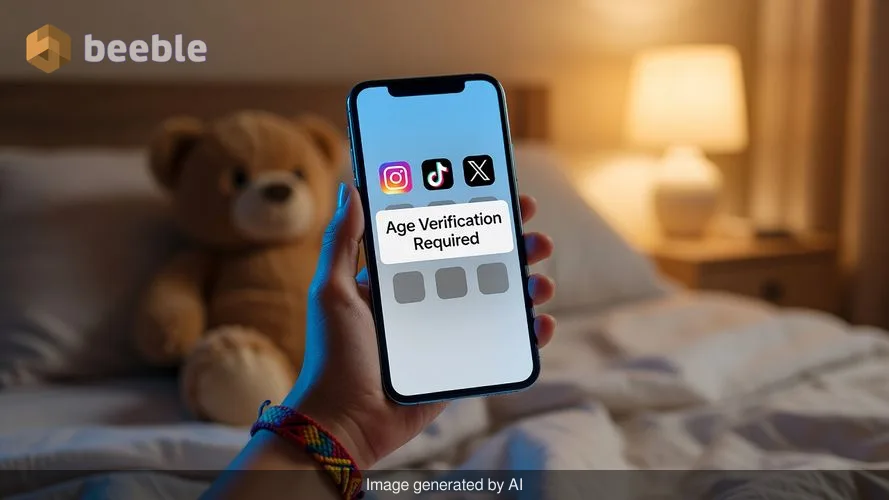
Behind the colorful icons of social media apps, a massive legislative engine is grinding to a halt for younger users. Governments are no longer asking companies to be responsible. They are building a digital wall around the internet. This wall is not just a policy. It is a fundamental redesign of how the state identifies its citizens online. While the public focus remains on protecting children from mental health risks, the hidden mechanism is the mandatory implementation of age verification technology. This technology requires users to prove who they are before they can see a single post.
Australia sets the stage for a restrictive era
Australia is the first country to turn these proposals into active law. In late 2025, the government passed legislation that prohibits children under 16 from using social media. This list includes giants like Facebook, Instagram, Snapchat, TikTok, and X. It also covers platforms like Reddit, Twitch, and Kick. The law is a strict mandate for the companies. If a platform fails to take reasonable steps to prevent children from joining, it faces a fine of up to $49.5 million AUD. This is approximately $34.4 million USD.
This law is distinct because it removes the responsibility from the parents. It places the entire legal burden on the tech companies. The Australian government specified that self-declaration is not enough. A child cannot simply type in a fake birth year to enter. Instead, platforms must use robust verification methods. This is where the privacy concern begins. To verify an age accurately, a company may need to see a passport, a driver’s license, or use facial analysis software. This process turns social media companies into data collectors for sensitive identity documents.
The European race toward age verification apps
Denmark is moving fast to follow the Australian model. In late 2025, the Danish government secured a political agreement to ban social media for those under 15. The Danish Digital Affairs Ministry is building a specific tool for this purpose. It is a digital evidence app. This app is a digital bouncer that confirms a person’s age without sharing their full identity with the social media platform. The goal is to have this system in place by mid-2026. This app is a concrete example of how governments are centralizing identity management to enforce digital bans.
Greece is also on this path. Prime Minister Kyriakos Mitsotakis set a deadline for January 2027 to implement a ban for children under 15. His reasoning focuses on the addictive design of these platforms. He cited rising anxiety and sleep deprivation as the primary drivers for the policy. Greece is part of a broader trend where southern European nations are becoming more aggressive with tech regulation. Unlike previous years where the European Union acted as a single bloc, individual countries are now moving faster than the central commission.
Spain and the UK target platform architecture
Spain is taking a unique legal approach. The Spanish government plans to ban social media for children under 16, but it is adding a layer of personal liability. Prime Minister Pedro Sánchez wants a law that makes social media executives personally accountable for content on their platforms. This includes hate speech and harmful algorithms. This shifts the risk from the corporate entity to the individuals running the company. It is a high-stakes strategy that could change how tech firms operate within Spanish borders.
In the United Kingdom, the government is considering a ban for children under 16. However, the UK is also looking at the technical features of the apps. The government is consulting on whether to force companies to remove features that drive compulsive use. This includes endless scrolling and push notifications during school hours. The UK approach is a blend of access restriction and design modification. If a platform is deemed addictive, the regulator has the power to demand architectural changes under the existing Online Safety Act.
The Canadian and German political divide
Canada introduced a digital safety bill that seeks to ban social media for those under 16. The Canadian proposal includes an interesting loophole. If a company can prove it has superior safety policies and effective protection tools, it might sidestep the ban. This is a performance-based regulation. It creates a hierarchy where only the most compliant companies can operate for younger audiences. This bill is still in the legislative process and may take several more months to finalize.
In Germany, the debate is more divided. Conservative leaders suggested a ban for children under 16 in early 2026. However, the center-left coalition is hesitant. Germany has some of the strictest privacy laws in the world under its Federal Data Protection Act. There is a fear that mandatory age verification will violate the principle of data minimization. This principle states that companies should only collect the data they absolutely need. Requiring a 14-year-old to submit a photo ID to use a chat app is a major departure from German privacy norms.
Southeast Asia follows the restrictive trend
Indonesia and Malaysia are also part of this global shift. In early 2026, Indonesia announced it would ban children under 16 from using platforms like TikTok, YouTube, and Roblox. This is significant because Indonesia has one of the world's largest young populations on social media. The government is focusing on the impact of live-streaming apps like Bigo Live. They are concerned about the exposure of children to adult content in real-time environments.
Malaysia plans to implement a similar ban for children under 16 this year. The Malaysian government is worried about the rise of cyberbullying. Their approach is direct and treats social media access as a regulated activity, much like driving a car or buying tobacco. By setting a hard age limit, the state is taking a patriarchal role in digital parenting. This trend suggests that the era of the open, age-blind internet is ending in most major markets.
The hidden privacy cost of keeping kids safe
Privacy is a fundamental human right, but these bans create a paradox. To protect a child’s mental health, the state often requires the collection of that child’s biometric or identity data. This is the toxic asset of age verification. If a database of child IDs is breached, the damage is permanent. A person can change a password, but they cannot change their date of birth or their facial structure. This makes age verification systems a prime target for hackers and state actors.
Critics like Amnesty Tech argue that these bans are blunt instruments. They suggest that the regulatory landscape is becoming a patchwork quilt of inconsistent rules. A child in France faces different rules than a child in Germany. This inconsistency makes compliance a nightmare for small platforms. Large platforms like Meta or Google have the resources to build these verification systems. Small, independent social networks do not. Consequently, these bans may accidentally strengthen the monopolies of the tech giants they are meant to regulate.
Actionable steps for parents and platforms
As these laws move from draft to enforcement, users and businesses must prepare for a more authenticated internet. The transition is not just about blocking apps; it is about managing a digital footprint.
- Audit your current data. Parents should check what identity documents they have already uploaded to platforms for parental controls.
- Understand the verification method. Before submitting a photo of an ID, check if the platform uses a third-party verification service. This prevents the social media company from storing the ID directly.
- Monitor school policies. Many schools are now aligning their hardware rules with these national bans.
- Advocate for data minimization. Support technologies like zero-knowledge proofs. These allow a user to prove they are over 16 without revealing their actual birth date.
Privacy in this new era is a continuous negotiation. It is no longer a simple choice to opt-in or opt-out. It is a complex interaction with state-mandated identity checks.
Sources
- Australian Online Safety Amendment (Social Media Minimum Age) Bill 2025
- UK Online Safety Act
- General Data Protection Regulation (GDPR) Article 8
- Spanish Organic Law on the Protection of Minors in the Digital Environment
- Danish Digital Affairs Ministry Strategic Plan 2026
Disclaimer: This article is for informational and journalistic purposes only. It does not constitute formal legal advice regarding compliance with international privacy laws or national social media regulations.



See you on the other side.
Our end-to-end encrypted email and cloud storage solution provides the most powerful means of secure data exchange, ensuring the safety and privacy of your data.
/ Create a free account
