


The PS5 Price Hike Was Inevitable, But What Comes Next?

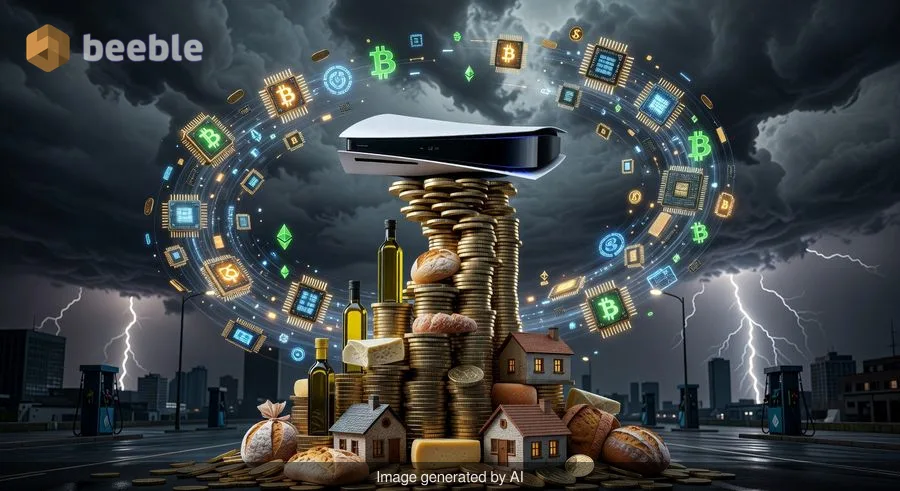
Is the dream of the affordable home console officially dead? For decades, the rhythm of the gaming industry was as predictable as a metronome: a shiny new box launches at a premium, and over the next five years, manufacturing efficiencies drive the price down until it becomes a mass-market staple. But as we approach the spring of 2026, that rhythm has skipped a beat—or perhaps, it has been replaced by a much more punishing tempo.
Sony’s recent announcement that the PlayStation 5 will see yet another price increase on April 2 has sent shockwaves through the community. This isn't just a minor adjustment; it’s the second hike in less than a year. When the dust settles, the base digital edition of the PS5 will sit at a price point $200 higher than its 2020 debut. For many of us, the feeling of "stepping out of the vault" into a new generation of gaming has been replaced by the cold reality of a shaky economic landscape.
The Anatomy of RAMageddon
Sony’s official stance points toward "pressures in the global economic landscape," but the industry shorthand for this crisis is "RAMageddon." Simply put, the meteoric rise of artificial intelligence has fundamentally altered the supply chain. The same high-performance memory and silicon required to power a next-gen gaming experience are now being swallowed up by data centers and AI firms with much deeper pockets than the average consumer.
On paper, a console is a specialized piece of hardware. But in reality, it is a collection of commodities. When the cost of those cogs in the machine rises, the manufacturer faces a choice: absorb the loss or pass it on. For years, the console business model functioned as a walled garden, where hardware was sold at a loss to hook players into a lucrative ecosystem of software and subscriptions. However, with component pricing and availability issues expected to persist until 2030, Sony is clearly signaling that it can no longer treat its hardware as a loss leader. The power fantasy of cheap, high-end tech is hitting a ceiling.
A Departure from History
Looking back at the history of the medium, this trend is truly groundbreaking—and not in a good way. During the PS2 and PS3 eras, we expected "Slim" models to come with a price cut. We viewed the console lifecycle as a pilgrimage toward affordability. Today, we are on a different kind of treadmill. Instead of prices falling, they are climbing as the hardware matures.
Circana’s Mat Piscatella recently noted that he is "very concerned" about the consumer squeeze. We are seeing a shift where the latest hardware is increasingly becoming the domain of high-income households. This creates an unbalanced market. If the entry fee to the theme park keeps rising, the hivemind of the gaming community risks fracturing between the "haves" and the "have-nots."
The Backlog Burden and the Shift in Value
Interestingly enough, this price hike arrives at a time when many gamers are already struggling with the backlog burden. With so many sprawling, immersive titles already in our libraries, the urgency to upgrade to the latest hardware revision is waning. Why drop an extra $200 on a console when your current machine still handles genre-defining hits just fine?
That being said, Sony is betting on the fact that their first-party lineup remains breathtaking enough to justify the cost. They are banking on the loyalty of players who view PlayStation not just as a box, but as a primary social hub. The catch is, as the price of entry rises, the meta of how we consume games changes. We might see a resurgence in the portable gaming era or a deeper pivot toward cloud services that don't require a $600 investment upfront.
Looking Ahead: What Should You Do?
Ultimately, the PS5 price hike is a symptom of a larger, labyrinthine global shift. If you’ve been on the fence about picking up a console or upgrading, the window for "launch-era" pricing has officially slammed shut.
So, what comes next? Here is how to navigate this new era:
- Audit Your Library: Before chasing the newest hardware, look at your backlog burden. Many of the most rewarding experiences of this generation are playable on older revisions or even via cloud streaming.
- Evaluate the Ecosystem: If you are heavily invested in the PlayStation walled garden, the price hike is a bitter pill you may have to swallow. However, keep an eye on mid-gen bundles that might offset the cost with included software.
- Monitor the Used Market: As the retail price climbs, the value of refurbished units will likely skyrocket. If you're looking to jump in, now is the time to scout reputable resellers before they adjust their own margins.
Unsurprisingly, the road ahead looks visceral and challenging for both manufacturers and fans. The era of the subsidized console may be fading, replaced by a world where gaming hardware is treated as the premium luxury item it truly is. Whether the community will follow Sony up this mountain remains to be seen.
Sources:
- Sony Interactive Entertainment Official Business Updates (March 2026)
- Circana Market Analysis Reports via Mat Piscatella
- GameSpot Industry Trends Coverage
- Global Semiconductor Supply Chain Forecasts 2025-2030



See you on the other side.
Our end-to-end encrypted email and cloud storage solution provides the most powerful means of secure data exchange, ensuring the safety and privacy of your data.
/ Create a free account
