


The quiet death of the digital phone number

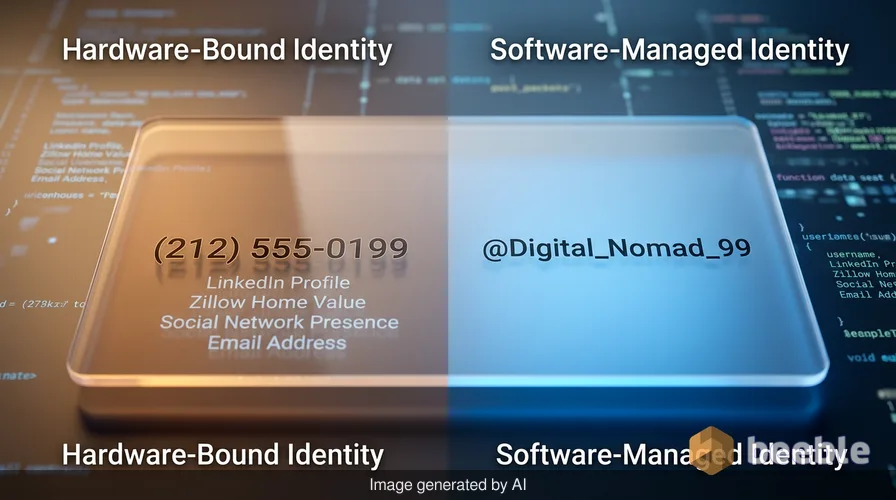
For over a decade, the ritual of the digital introduction remained unchanged. You met someone at a conference, a cafe, or a shared workspace, and the moment eventually arrived where you exchanged ten digits. This act was more than a convenience; it was a total surrender of privacy. Giving away a phone number gave that person the ability to find your LinkedIn profile, your Zillow home value, and your presence on other social networks. The phone number was a master key to a person's entire digital existence.
WhatsApp recently announced a change that signals the end of this hardware-bound era. The messaging service is introducing usernames, allowing its three billion users to communicate without ever revealing their digits to a new contact. This update allows people to reserve a unique handle, similar to those on Instagram or X. While it appears to be a simple interface tweak, it marks a profound shift in how we conceive of digital identity. We are moving away from identifiers tied to telecommunications infrastructure toward identities managed entirely by software.
The legacy of the physical anchor
Historically, the phone number was a static address for a specific piece of hardware. It was a routing instruction for the Public Switched Telephone Network, a system built on copper wires and physical switches. When mobile apps like WhatsApp and Signal launched, they used the phone number as a de facto username because it was the most reliable way to verify a human being. It was the only identifier that was both ubiquitous and difficult to spoof.
This reliance on the SIM card created significant technical debt for both users and developers. When a user travels abroad and swaps their SIM card, their digital identity often fractures. If a person loses their phone number due to a billing error or a move, the next person who inherits that number might gain access to their private group chats. This recycled number problem is a persistent security flaw in the architecture of modern messaging. By decoupling the user account from the phone number, WhatsApp is finally addressing this legacy friction.
How the username system works in practice
The implementation of this feature is straightforward for the average user. You must first ensure you have the latest version of the app installed on your device. Inside the settings menu, under the account section, a new username field is available for selection. Meta is allowing users to reserve their names this week before a full rollout later in the year.
Unlike social media platforms that encourage discovery, WhatsApp is intentional about maintaining a closed ecosystem. There is no public directory to browse for your friends, and the app does not offer suggestions based on your contact list. You must know the exact handle to initiate a conversation. Once a username is active, a first-time contact sees that name instead of a phone number. This change transforms the app from a digital version of a phone book into a granular privacy tool.
Through this user lens, the shift feels like a relief. You can join a large community group for a local hobby or a professional organization without every member having your direct line. In everyday terms, it is the difference between giving a stranger your home address and giving them your P.O. box. The communication still happens, but the physical location of your digital life remains hidden.
The engineering logic of ecosystem lock-in
Zooming out to the industry level, this move is about more than just privacy. Meta is a company that thrives on interconnected data. The new system allows creators and small businesses to claim their existing Instagram or Facebook usernames for their WhatsApp accounts. This choice is a pragmatic one for brand consistency, yet it also strengthens the ecosystem lock-in that defines Meta's business model.
Technically speaking, mapping a single username across three different platforms makes the user more valuable to the advertiser. When a user links their identities, the underlying data structures become more resilient. It is easier for a company to track a user across different apps when they use the same handle than when they use disparate identifiers. Paradoxically, the feature that makes you more private to other humans makes you more transparent to the software that hosts you.
From a developer's standpoint, managing usernames is a complex task compared to using phone numbers. Phone numbers are verified by external carriers; usernames must be managed by an internal database that handles collisions, trademark disputes, and squatting. WhatsApp is deploying a username generator to assist users who cannot find an available handle. This tool suggests unique combinations, reducing the friction that usually accompanies the land grab for digital real estate.
The end of the telecommunications monopoly
We once lived in a world where hardware dictated identity; we now inhabit an era where software defines our reach. The phone number was once a permanent fixture of our adult lives, often staying with us for decades. Today, it is a clunky, insecure, and increasingly deprecated technology. Signal and Telegram already moved toward usernames, and WhatsApp's entry into this space makes the transition official for the majority of the world's population.
| Feature | Phone Number Era | Username Era |
|---|---|---|
| Primary Identifier | Hardware-linked (SIM) | Software-linked (Account) |
| Privacy Level | Low (reveals personal data) | High (masks personal data) |
| Portability | Hard (tied to carriers) | Easy (tied to app login) |
| Discovery | Contact list syncing | Direct sharing of handles |
| Security Risk | SIM swapping / Recycled numbers | Account takeover / Phishing |
This transition highlights the slow death of the traditional telecom carrier. As apps take over the functions of the SIM card, the carrier becomes nothing more than a dumb pipe for data. The power has shifted entirely to the application layer. Consequently, our relationship with our service providers is becoming purely transactional. We no longer care about the number assigned to our account; we only care about the stability of the data connection.
Digital friction and the price of privacy
Every new layer of privacy introduces a new form of digital friction. In the old system, you simply synced your contacts and everyone was there. In the new system, you must actively seek out and verify usernames. This is a return to an older form of digital literacy where users had to be intentional about who they contacted.
Ultimately, this update forces us to reflect on the value of our digital footprints. For years, we accepted the exposure of our phone numbers as the price of convenience. We allowed our most private conversations to be anchored to a system designed in the mid-20th century. WhatsApp is finally allowing us to cut that anchor.
On an individual level, the best way to handle this change is to be proactive. Reserving a username is not just about vanity; it is about securing your digital perimeter before someone else claims your identity. As the feature rolls out, users should consider how they want to be found. The ability to be invisible to the crowd while remaining reachable to the individual is a rare form of agency in the modern web.
This shift is a reminder that the tools we use are never static. They are constantly evolving to balance the demands of privacy, the requirements of the business, and the limitations of legacy code. The move to usernames is a clear signal that the phone number has served its purpose. It is time to let it fade into the background of the infrastructure.
Sources:
- WhatsApp Official Blog, "Usernames: A New Way to Connect on WhatsApp"
- Meta Newsroom, "Enhancing Privacy Across Messaging Platforms"
- IEEE Spectrum, "The History of the SIM Card and Digital Identity"
- WhatsApp Beta Release Notes (June 2026), Version 2.26.12.7



See you on the other side.
Our end-to-end encrypted email and cloud storage solution provides the most powerful means of secure data exchange, ensuring the safety and privacy of your data.
/ Create a free account
