


Utah’s New Privacy Shield: How HB 261 Closes the Backdoor on Your Digital Life

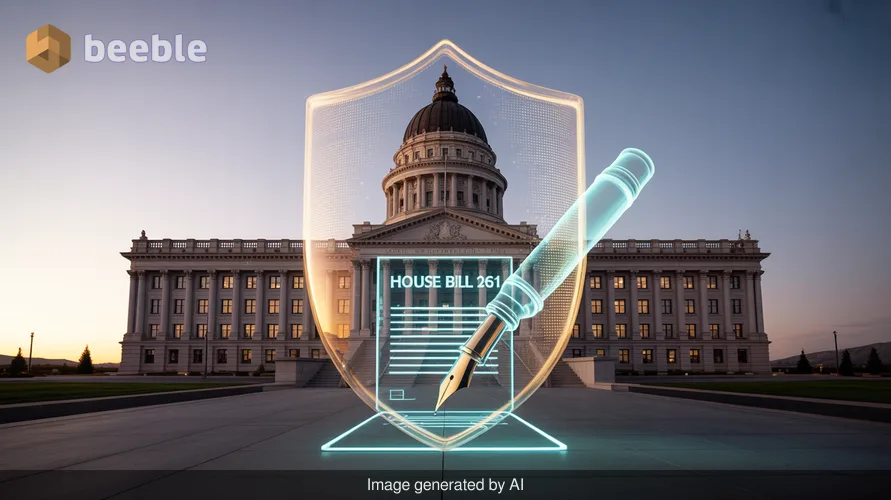
In a world where the average person generates over 1.7 megabytes of data every second, your digital footprint is no longer just a trail—it is a detailed map of your private life. Recognizing the precarious nature of this digital existence, Utah Governor Spencer Cox has signed House Bill 261 into law. This legislation, which officially takes effect on May 6, 2026, represents a systemic shift in how the state treats electronic information, moving it from a secondary concern to a protected fundamental right.
As someone who spends my days as a digital detective, investigating the nuanced ways companies and agencies handle our personal details, I have often seen how easily privacy can be compromised by a simple lack of clear boundaries. HB 261 is designed to be that boundary. It isn't just a compliance checkbox; it is a robust framework intended to ensure that the digital version of your home is as secure as the physical one.
Closing the Third-Party Loophole
Perhaps the most significant pillar of HB 261 is its prohibition on indirect access. In the past, a legal gray area allowed law enforcement to bypass traditional search warrant requirements by simply purchasing data from third-party brokers or using private contractors to gather intelligence. Curiously, while a police officer might have needed a warrant to search your filing cabinet, they could sometimes circumvent that by buying your location history from a commercial aggregator.
Under this framework, that backdoor is effectively bolted shut. The law prohibits law enforcement from using third parties to obtain electronic information in a way that would be unlawful if they did it themselves. Essentially, if the front door is locked by the Fourth Amendment, the state can no longer climb through the window of a data broker’s database. This ensures that privacy protections remain consistent, regardless of who is holding the data.
The Warrant Requirement: Privacy by Design
From a compliance standpoint, HB 261 reinforces the necessity of a search warrant for accessing electronic information. This includes everything from your private emails and text messages to the granular GPS coordinates stored by your fitness tracker. In practice, this means that the state must demonstrate probable cause to a neutral judge before they can peer into your digital life.
I often think of privacy by design as the foundation of a house. If you don’t build it into the blueprint, the structure will eventually crumble under the weight of intrusive surveillance. By mandating warrants, Utah is ensuring that the legal foundation of electronic privacy is as sturdy as possible. This isn't about hindering investigations; it’s about ensuring that the power of the state is proportionate to the rights of the individual.
Data as a Toxic Asset: The Destruction Protocols
In my work, I often treat data as uranium—it is incredibly valuable when used correctly, but it becomes a toxic asset if it is leaked or mishandled. One of the most actionable parts of HB 261 involves new protocols for data destruction. When law enforcement obtains electronic information, they cannot simply keep it indefinitely in a digital warehouse.
The bill mandates that once the information is no longer necessary for the specific investigation or legal proceeding for which it was gathered, it must be destroyed. This principle of data minimization is something I apply to my own reporting. When I receive a tip or a document, the first thing I look for is hidden personal data that isn't relevant to the story. If a source's home address or a bystander's face isn't essential to the public interest, it is removed. HB 261 brings this same discipline to the state’s data management practices.
The Teeth of the Law: The Exclusionary Rule
What happens if these rules are ignored? A law without consequences is merely a suggestion. HB 261 gives the privacy protections teeth through a stringent evidence exclusion rule. If electronic information is obtained in violation of the Act, it is subject to exclusion in court.
To put it another way, if the government breaks the rules to get the data, they cannot use that data to win their case. This creates a powerful incentive for law enforcement agencies to remain compliant. It transforms the law from a set of abstract ideas into a binding set of operational requirements. Notwithstanding the complexities of modern policing, this rule ensures that the ends do not justify the means when it comes to violating constitutional rights.
A Compass for Compliance
For law enforcement agencies and service providers, the transition to this new landscape will require a methodical review of current practices. The regulatory landscape is often a patchwork quilt, but HB 261 provides a clear, overarching direction. Agencies should begin auditing their data retention policies and third-party contracts now to ensure they are not inadvertently operating in a non-compliant manner.
Ultimately, this bill is a victory for transparency. It forces the state to be more open about how and why it collects information, and it gives citizens a clearer understanding of their rights. As a journalist, I’ve seen how misinterpreted laws can ruin reputations; HB 261 seeks to prevent those tragedies by providing a clear map for the digital age.
Practical Steps for Your Digital Hygiene
While HB 261 protects you from government overreach, your personal digital hygiene remains your first line of defense. Here is how you can align your own habits with the spirit of this new law:
- Audit Your App Permissions: Periodically check which apps have access to your location, microphone, and contacts. If an app doesn't need the data to function, revoke the permission.
- Use Encrypted Channels: Whenever possible, communicate through end-to-end encrypted platforms. This ensures that even if data is intercepted, it remains unreadable without the key.
- Inquire About Data Retention: If you are a business owner, ask your software vendors about their data destruction policies. Ensure they aren't keeping your customers' data longer than necessary.
- Review Privacy Policies: Look for inconsistencies in the privacy policies of the services you use. If a company claims to value your privacy but sells your data to brokers, it may be time to find a more transparent alternative.
Sources
- Utah House Bill 261 (2026 Session), Electronic Information Privacy Amendments.
- Utah Code Title 77, Chapter 23c, Electronic Information Privacy Act.
- Fourth Amendment to the United States Constitution.
- Utah State Legislature Official Records and Governor's Signing Statements.
Disclaimer: This article is for informational and journalistic purposes only and does not constitute formal legal advice. If you have specific legal questions regarding compliance or your rights under Utah law, please consult with a qualified attorney.



See you on the other side.
Our end-to-end encrypted email and cloud storage solution provides the most powerful means of secure data exchange, ensuring the safety and privacy of your data.
/ Create a free account
