


Why Europe is building a massive invisible highway for a fuel that barely exists yet

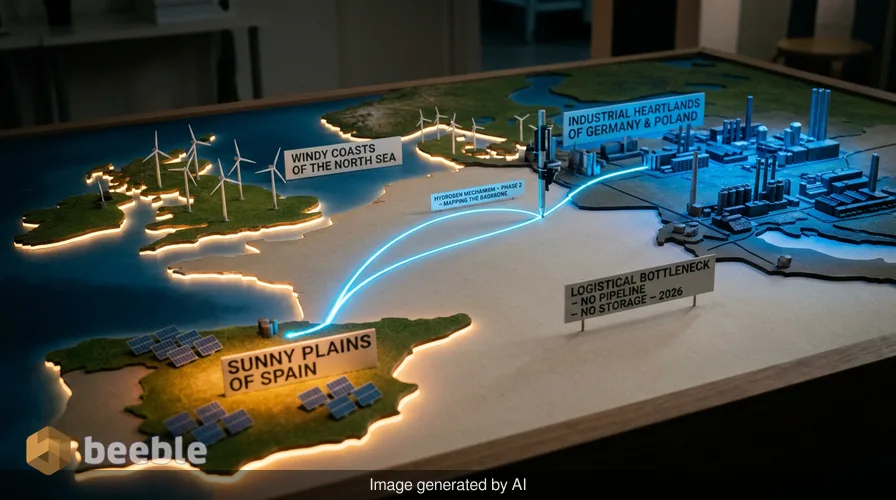
The European Union currently consumes roughly 8 million tonnes of hydrogen every year, but almost none of it is the clean, green variety politicians talk about in climate speeches. Most of it is gray hydrogen, a byproduct of natural gas that produces significant carbon emissions. To reach its 2030 climate goals, the European Commission wants to produce 10 million tonnes of renewable hydrogen and import another 10 million from abroad. This ambitious plan has one glaring problem. There is currently no way to move that much gas from the windy coasts of the North Sea or the sunny plains of Spain to the industrial heartlands of Germany and Poland.
Europe is now attempting to solve this logistical bottleneck through the latest expansion of its Hydrogen Mechanism. This initiative is a structured matchmaking service for the energy industry. In its first iteration earlier this year, the programme focused on connecting buyers and sellers. The new round, scheduled for late 2026, shifts focus to the physical backbone of the industry: pipelines and storage facilities. By asking companies to register their needs and plans now, the Commission is trying to map out an invisible highway system before a single shovel hits the ground.
The massive plumbing problem under our feet
Practically speaking, moving hydrogen is much harder than moving natural gas. Hydrogen is the smallest molecule in the universe. It is so tiny that it can leak through materials that are perfectly airtight for other gases. In some cases, it even seeps into the metal of existing pipelines, making the steel brittle and prone to cracking. This phenomenon, known as hydrogen embrittlement, means that Europe cannot simply flip a switch and use its old natural gas network for this new fuel.
Building a new network or retrofitting old pipes requires billions of euros in upfront capital. The challenge for a transmission system operator is the classic chicken-and-egg dilemma. A company will not spend three billion euros on a pipeline if there are no factories ready to buy the fuel. Conversely, a steel mill will not spend hundreds of millions to replace its coal furnaces with hydrogen burners if there is no pipe connected to the building.
This is where the Hydrogen Mechanism enters the picture. It acts as a demand aggregator. By collecting non-binding expressions of interest from across the continent, the European Commission provides the data that banks and governments need to justify these massive investments. The mechanism is a tool to reduce the commercial fog that currently surrounds the industry.
How the market test actually works
The upcoming infrastructure round follows a logical, step-by-step process to gather market intelligence. The Commission works with network operators to define specific projects, such as a pipeline connecting a Dutch offshore wind farm to a German industrial park. Once these projects are defined, companies that want to buy or sell hydrogen can log into a central platform and state how much fuel they expect to move through those specific pipes by a certain date.
The Commission then organizes this data to show exactly where demand is highest. If forty companies in the Ruhr valley all say they need hydrogen by 2028, the business case for that specific pipeline becomes much stronger. Looking at the big picture, this process turns vague political promises into a concrete roadmap for engineers.
For the average user, this might look like bureaucratic paperwork, but it is actually the first stage of a major industrial shift. The goal is to create a transparent market where prices are predictable. Historically, energy markets have relied on long-term, opaque contracts between two parties. The EU is pushing for a more decentralized and resilient system where multiple suppliers can compete to fill the same pipes.
Why this matters for your energy bill and your job
From a consumer standpoint, the development of hydrogen infrastructure is a long-term play for price stability. While the immediate costs of building these networks are high, the alternative is a continued reliance on volatile global markets for fossil fuels. When natural gas prices spiked in 2022, every household in Europe felt the impact on their electricity and heating bills. A robust hydrogen network provides a way to store excess renewable energy from sunny or windy days for use when the weather is calm.
In everyday life, this also impacts the products we buy. The heavy industry sector, which includes steel, cement, and chemical production, is the invisible backbone of modern life. These industries cannot run on batteries alone. They need the intense heat and chemical properties that only a gas like hydrogen can provide. If Europe fails to build this infrastructure, these industries will likely move to regions where energy is cheaper or regulation is looser.
Essentially, these pipelines are an insurance policy for European manufacturing. By streamlining the planning process, the EU hopes to keep these high-paying industrial jobs on the continent while meeting its environmental targets. It is a pragmatic attempt to modernize an aging energy system without crashing the economy in the process.
The bottom line on the 2026 deadline
The Commission has invited network operators to register their interest by September 7, 2026. This date is an important milestone because it marks the transition from theoretical planning to commercial reality. Under the hood, this round of the Hydrogen Mechanism will reveal which projects are actually viable and which ones were just corporate PR.
To put it another way, the EU is building the digital twins of its future energy grid before the physical construction begins. This allows for a more systemic approach to energy planning, ensuring that pipelines are built where they are needed most rather than where political influence is strongest.
Ultimately, the success of this mechanism depends on the willingness of private companies to be honest about their future needs. If the data is accurate, Europe could see a construction boom in energy infrastructure that rivals the build-out of the natural gas grid in the 20th century. If the interest is lukewarm, it may signal that the green transition will be slower and more expensive than previously estimated.
For now, the project remains an exercise in market transparency. It is a necessary step to turn hydrogen from a niche industrial chemical into a foundational pillar of the global energy mix. As the results of this infrastructure round become clear, we will have a much better idea of how quickly the invisible highway will become a tangible reality.
What this means for you: Practical takeaways
- Industrial Resilience: The focus on infrastructure suggests that the EU is prioritizing the survival of local heavy industry over simply importing finished goods from overseas. This protects the supply chains for everything from cars to household appliances.
- Energy Storage: The inclusion of storage facilities in this market test is a sign that the grid is becoming more resilient. More storage means less reliance on the "just-in-time" energy deliveries that caused price shocks in the past.
- Career Shifts: For those in the engineering or construction sectors, these developments indicate a massive shift in where future work will be found. Skills in natural gas are becoming directly transferable to the emerging hydrogen economy.
- Long-term Costs: While these projects require public and private funding, the goal is to lower the cost of green energy through scale. Over time, this should help decouple European energy prices from the global oil and gas market.
Sources:
- European Commission Directorate-General for Energy, official communication on the Hydrogen Mechanism.
- European Hydrogen Backbone (EHB) initiative, annual infrastructure report.
- Agency for the Cooperation of Energy Regulators (ACER), market monitoring reports.



See you on the other side.
Our end-to-end encrypted email and cloud storage solution provides the most powerful means of secure data exchange, ensuring the safety and privacy of your data.
/ Create a free account
