


Why would you pay two thousand euros for a phone that bends?

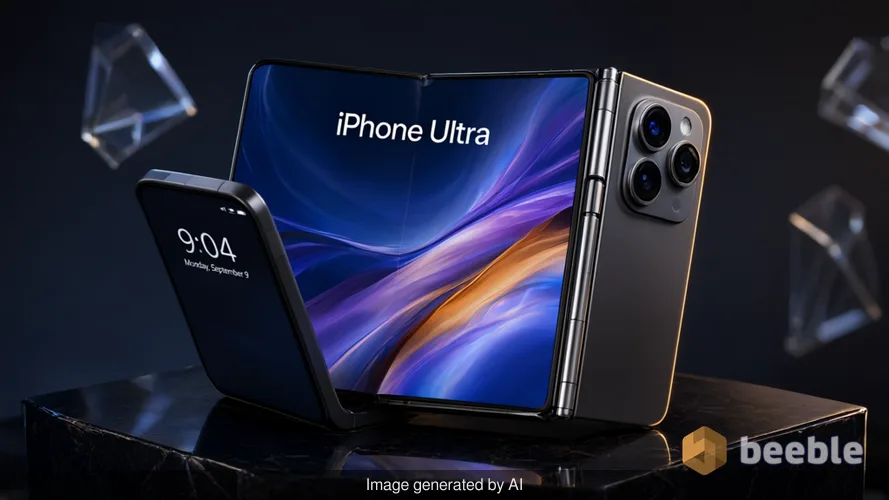
Is the era of the flat glass slab finally over? For nearly two decades, the smartphone has remained a static rectangle in our pockets. We have seen better cameras, faster processors, and brighter screens, but the fundamental shape stayed the same. On 9 September, Apple intends to break that mold. The tech giant will reveal the iPhone Ultra, its first foldable device. This launch marks a significant transition for the company as it attempts to redefine what a premium phone looks like and how much it should cost.
The new face at the top of the ladder
This event is the first major public appearance for John Ternus as CEO. He officially takes the reins from Tim Cook on 1 September. Ternus previously led hardware engineering for the company. His promotion suggests a renewed focus on the physical mechanics of devices. While Cook was a master of supply chains and operations, Ternus is a builder. He has been behind the design of the Mac's transition to custom silicon and the recent thinning of the iPad Pro. Now, he must convince a global audience that a folding screen is a practical necessity rather than an expensive toy.
The leadership change happens just days before the iPhone Ultra hits the stage. This timing is deliberate. It signals that the foldable era is the Ternus era. Historically, Apple waits for a technology to mature before entering a category. Samsung, Motorola, and Google have sold foldable phones for years. Apple now believes the hardware is resilient enough for its own standards. The company wants to prove that it can fix the common complaints about foldables, such as visible screen creases and fragile hinges.
A screen that opens like a book
The iPhone Ultra uses a dual-screen design. On the outside, you have a 13.5-centimetre display. This screen is for quick tasks like checking messages or following a map. When you open the device, it reveals a 19.8-centimetre internal screen. For the average user, this is roughly the size of a small tablet. It essentially puts the power of an iPad Mini inside a device that fits in a pocket.
Behind the jargon of flexible OLED panels, the goal is simple. Apple wants to give users more room for multitasking. The company has spent years refining multi-window software on the iPad. This experience gives them a head start. Users can expect to run three or four apps simultaneously without the interface feeling crowded. This is not just about watching videos on a bigger screen. It is about a shifting workflow where the phone becomes the primary computer for mobile professionals.
Curiously, the physical design has a strange twist. Leaked images of screen protectors suggest the iPhone Ultra has asymmetrical corners. The left corners are right-angled, while the right corners are curved. This design likely helps the hinge mechanism or makes the phone more comfortable to hold when it is open. It is a disruptive choice that moves away from the perfect symmetry Apple usually prizes.
The silicon engine room
Under the hood, the iPhone Ultra has the new A20 Pro processor. This chip is the digital crude oil that powers the entire machine. It uses a refined manufacturing process to squeeze more performance out of less space. Apple says the A20 Pro is 18% faster than the previous A19 Pro. More importantly, it uses 30% less energy.
| Feature | iPhone Ultra Specs (Predicted) |
|---|---|
| Internal Screen | 19.8 cm (7.8 inches) |
| External Screen | 13.5 cm (5.3 inches) |
| Processor | A20 Pro |
| Rear Cameras | 2 (Wide and Ultra-Wide) |
| Internal Cameras | 1 |
| Selfie Camera | 1 |
| Base Price | €2,200 |
| Max Storage Price | €3,000 |
For the average consumer, these numbers translate to tangible benefits. A more efficient chip means the phone stays cool even when you run multiple apps on the large internal screen. It also means the battery can last through a full day despite powering two different displays. This processor will also appear in the iPhone 18 Pro and Pro Max models later this year. The A20 Pro acts as a tireless intern, managing background tasks and AI processing without draining the tank.
Market dominance and the price of entry
The most transparent hurdle for most buyers is the cost. The base model starts at €2,200. If you want more storage, the price rises to €3,000. In everyday life, this is the price of a high-end laptop or a used scooter. It is a volatile price point that pushes the iPhone Ultra into the ultra-luxury category.
Despite the high cost, market intelligence firm International Data Corporation predicts Apple will sell 10 million units in the first year. Samsung currently leads the foldable market, but Apple has a history of taking over categories once it enters them. The company relies on its interconnected ecosystem to keep users loyal. If you already own an Apple Watch and use iCloud, the iPhone Ultra is the most logical choice for a foldable upgrade.
The supply chain is already preparing for this demand. Component manufacturers in Asia are ramping up production for the specialized hinges and flexible glass required for the Ultra. This systemic shift in production shows that the industry expects foldables to move from a niche curiosity to a foundational part of the market.
More than just a phone
Apple will not just talk about the iPhone Ultra on 9 September. The event includes updates to the entire product line. We expect to see the Apple Watch Series 12 and a new Apple Watch Ultra. The iPad mini 8 is also on the schedule. This is important because the iPad mini and the iPhone Ultra occupy similar space. The iPad mini is for those who want a small tablet at a lower price, while the Ultra is for those who want that same screen size in a phone.
New AirPods Pro and updates to the HomePod mini and Apple TV are also likely. These devices form the invisible backbone of the Apple experience. They ensure that once you buy the expensive phone, you have every reason to stay within the brand's digital walls. The iPhone Ultra is the centerpiece, but the surrounding gadgets make the high price tag easier for some to justify.
The practical reality for your wallet
Looking at the big picture, the iPhone Ultra is a gamble on the future of mobile work. For most people, a standard iPhone 18 will be more than enough. The Ultra is a specialized tool for those who need a large screen for spreadsheets, video editing, or intensive multitasking on the go.
From a consumer standpoint, the arrival of the iPhone Ultra will likely lower the prices of older foldable models from competitors. If you are curious about folding screens but cannot afford the €2,200 entry fee, the next few months will be a good time to look at Samsung or Google devices. Their prices often drop when Apple enters a market.
Ultimately, you should observe your own digital habits before reaching for your credit card. Do you often find yourself wishing your phone screen was twice as large? Do you struggle to manage multiple apps on a standard display? If the answer is no, the iPhone Ultra is an engineering marvel that you likely do not need. If the answer is yes, be prepared to pay a premium for the privilege of carrying a tablet in your pocket. The technology is finally ready, but the cost remains a significant barrier for the general public.
Sources: International Data Corporation Market Forecasts, Apple Corporate Leadership Announcements, Hardware Supply Chain Leaks 2026.



See you on the other side.
Our end-to-end encrypted email and cloud storage solution provides the most powerful means of secure data exchange, ensuring the safety and privacy of your data.
/ Create a free account
