


Why Your 'Bitcoin-Only' App Just Quietly Opened the Door to the Rest of Crypto

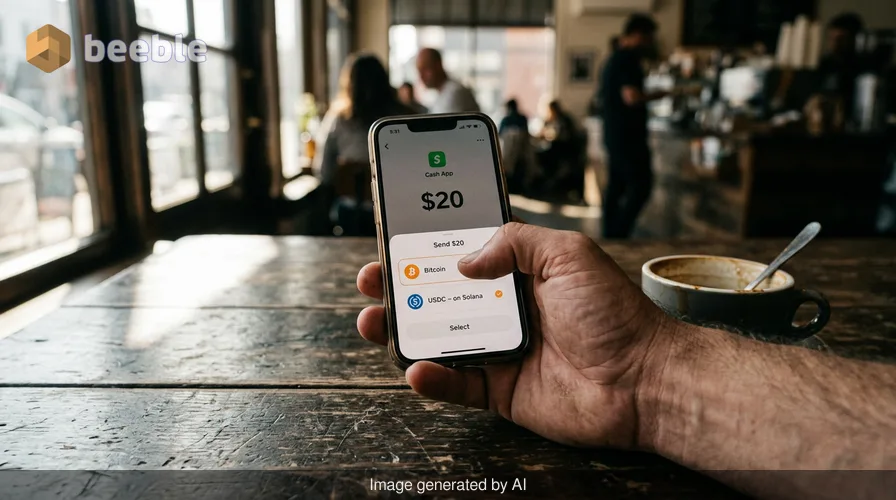
For years, the digital wallet in your pocket was a fortress of singular ideology; today, it is becoming a gateway for pragmatic utility. This shift is not just a software update or a new line of code—it is a fundamental restructuring of how one of the world’s most influential payment platforms views the future of money. While the tech world often obsesses over the friction between decentralized dreams and corporate control, the average user simply wants to send twenty dollars to a friend without losing three of those dollars to fees or waiting three days for a bank to say it is okay.
Cash App, the crown jewel of Jack Dorsey’s Block Inc., has long stood as a bastion for Bitcoin maximalism. It was the digital town square where the orange coin was the only currency that mattered, reflecting a belief that Bitcoin is the only truly open protocol for money. Yet, the recent integration of USDC stablecoins across Ethereum, Solana, Polygon, and Arbitrum signals a profound pivot. It is the moment where ideological purity meets the cold, hard reality of consumer demand and global liquidity.
The Friction of the Everyday Transaction
In practice, the way we interact with money is often mundane. You might use Cash App to split a dinner bill or buy a single share of a stock during your lunch break. For a long time, if you wanted to venture into the world of digital assets through this specific interface, you had one choice: Bitcoin. This was a deliberate design choice, rooted in the belief that other digital assets were either unnecessary distractions or, worse, centralized imitations of the real thing.
However, a curious thing happened on the way to the Bitcoin-only future. Users began to demand the speed of the blockchain without the heart-stopping volatility of a coin that can drop 10% while you are waiting for your latte to be brewed. They wanted the digital equivalent of the dollar—something tangible and predictable. By integrating USDC, Cash App is acknowledging that while Bitcoin may be the digital gold of the future, the world still runs on the dollar today. On an individual level, this means the app you used to buy $5 worth of "digital gold" can now handle a stable digital dollar that moves across different networks with the same ease as a text message.
Zooming Out: The Macro Transition of Block
On a macro level, this move is symptomatic of a larger systemic shift within the fintech industry. For the longest time, the narrative was split between the old guard—traditional banks and payment processors—and the new wave of crypto-native apps. Cash App sat somewhere in the middle, a sleek, user-friendly interface that hid the complex financial plumbing of the traditional world while offering a curated peek into the new one.
Through this economic lens, we see a company that once viewed stablecoins as a transition from one gatekeeper to another now embracing them as a necessary bridge. Historically, Jack Dorsey has been vocal about his skepticism toward assets that are not Bitcoin, often critiquing the centralized nature of stablecoins. Paradoxically, the market has decided that stablecoins are the most successful application of blockchain technology to date for everyday commerce. By supporting networks like Solana and Polygon, Block is essentially admitting that the pipes matter just as much as the water flowing through them.
The Glass Bank Vault and the Illusion of Balances
To put it another way, if we think of the blockchain as a glass bank vault—where everyone can see the transactions but only the owner has the key—Cash App has just added several new windows. But there is a nuanced catch in how they have implemented this. Unlike its competitor Venmo, which allows you to hold stablecoins as a distinct asset class, Cash App automatically converts incoming USDC into standard U.S. dollar balances.
From a consumer standpoint, this is a brilliant piece of behavioral economics. It removes the anxiety of managing multiple digital buckets. You don't have to wonder if you can spend your "Polygon-USDC" at the grocery store; it simply becomes "dollars" the moment it hits your account. Behind the scenes of this trend, however, is a subtle re-centralization. By converting these assets immediately, Block maintains the role of the ultimate arbiter of your balance. It offers the efficiency of the blockchain for the transfer, but retains the familiarity of the fiat system for the storage.
Navigating the Multi-Chain Wild West
Financially speaking, the decision to support multiple chains like Solana and Arbitrum is a direct response to the fragmented nature of the current crypto landscape. If Bitcoin is a slow, heavy-duty armored truck for moving massive amounts of value, Solana is more like a high-speed bike messenger. By providing fee-free transfers for USDC across these various "lanes," Cash App is attempting to become the primary hub for a user's entire digital financial life.
| Feature | Cash App (USDC) | Venmo (PYUSD) | Traditional Wire |
|---|---|---|---|
| Settlement Speed | Near-Instant | Near-Instant | 1–3 Business Days |
| Network Support | Multi-chain (Sol, Eth, etc.) | Ethereum / Venmo-only | Swift / ACH |
| Balance Handling | Auto-converts to USD | Holds as Crypto | Fiat Only |
| Fee Structure | Low/Zero for USDC | Network-dependent | $25–$50 Average |
This table illustrates a profound shift in liquidity. For the retail investor, the ability to move money across different ecosystems without paying the "gas fee" tax of the Ethereum mainnet is a game-changer. It makes the technology invisible, which is always the final step before a piece of tech becomes ubiquitous. When you flip a light switch, you don't think about the power grid; when you send USDC on Cash App, you no longer have to think about the underlying blockchain protocol.
The Behavioral Economics of Stability
Ultimately, the integration of stablecoins is a concession to human psychology. We are, by nature, loss-averse. The speculative thrill of Bitcoin is what draws people in, but the mundane stability of the dollar is what keeps them there. Market cycles have shown us that during times of high volatility, even the most ardent crypto believers seek the shelter of a pegged asset.
Consequently, Block’s move is less about abandoning Bitcoin and more about diversifying the tools available to its users. By positioning USDC as a "complementary option," as described by their product leads, they are trying to capture the best of both worlds. They keep the Bitcoin-first branding that gives them street cred in the tech world, while providing the functional tools that allow them to compete with the likes of PayPal and traditional banking apps. It is a resilient strategy in a shifting regulatory environment, especially following the passage of federal stablecoin legislation that has provided a clearer (though still complex) roadmap for these assets.
Conclusion: Reclaiming Your Economic Perspective
As we watch the walls between traditional finance and the decentralized world continue to crumble, it is worth pausing to reflect on our own relationship with these digital tools. It is easy to get swept up in the narrative of "Bitcoin versus the world" or the technical jargon of multi-chain interoperability. Yet, at its core, money remains a collective belief system—a way for us to exchange our time and energy for things we value.
When you see a new feature appear in your favorite app, ask yourself what problem it is actually solving for you. Is it giving you more freedom, or is it simply making it easier for you to stay within a specific ecosystem? The arrival of stablecoins on Cash App is a victory for convenience, but it is also a reminder that the path to true financial autonomy is rarely a straight line. As our wallets become more interconnected and our transactions more transparent, the most valuable asset we possess isn't the coin we hold—it is the mindfulness with which we choose to use it.
Sources
- Block Inc. Investor Relations: Q1 2024 and Q1 2025 Earnings Reports
- Cash App Official Support Documentation: Stablecoin Transactions and Limits
- CoinGecko: Historical Price Indices for Bitcoin and USDC
- Yahoo Finance: SQ Stock Performance and Market Data
- Bitcoin Treasures: Public Company Bitcoin Holdings Database
- Federal Reserve: Reports on Stablecoin Legislation and Digital Asset Integration



See you on the other side.
Our end-to-end encrypted email and cloud storage solution provides the most powerful means of secure data exchange, ensuring the safety and privacy of your data.
/ Create a free account
