


Appeals Court Grants Perplexity AI a Temporary Win in Amazon Shopping Agent Dispute

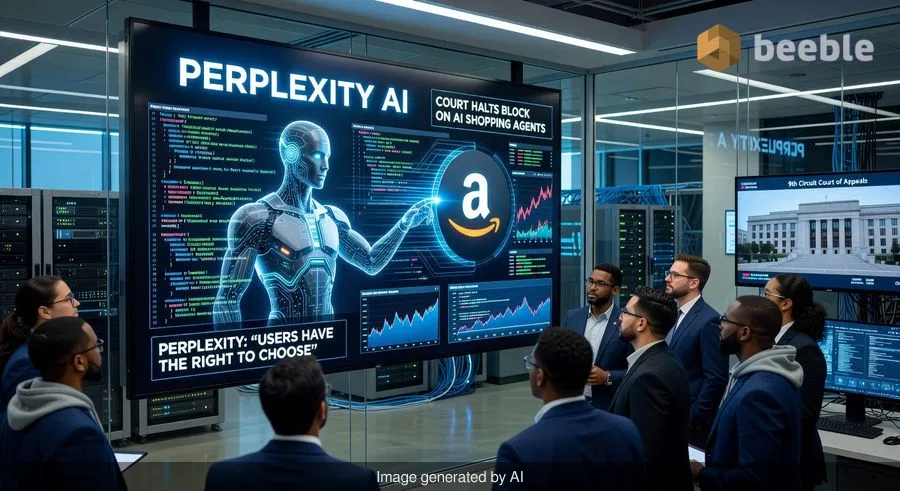
In a significant development for the future of autonomous digital assistants, the 9th U.S. Circuit Court of Appeals has issued a temporary stay on a lower court's ruling that blocked Perplexity AI from deploying its shopping "agents" on Amazon’s platform. This decision, handed down on Monday, effectively grants Perplexity a reprieve, allowing its AI-powered tools to continue interacting with the e-commerce giant’s site while the legal battle over the boundaries of AI automation continues to unfold.
The conflict represents a pivotal moment in the evolution of the web. As AI shifts from a tool that simply answers questions to one that performs actions—a concept known as "agentic" AI—traditional platforms like Amazon are grappling with how to maintain control over their user experience and data. For now, the appeals court has hit the pause button on the restriction, signaling that the legal questions at play are far from settled.
What Are Perplexity’s Shopping Agents?
To understand the weight of this court case, one must first understand what Perplexity is trying to build. Unlike a standard search engine that provides a list of links, Perplexity’s agentic shopping tool is designed to act as a digital concierge.
Imagine telling an AI, "Find me the best-rated ergonomic chair under $300 on Amazon and buy it using my saved preferences." The agent doesn't just show you the chair; it navigates the website, parses reviews, compares prices, and handles the checkout process. This level of automation promises to save consumers hours of manual browsing, but it also bypasses the carefully curated advertisements and "sponsored products" that form the backbone of Amazon’s revenue model.
The Legal Tug-of-War
The dispute reached a boiling point when a California district court judge initially sided with the argument that Perplexity’s agents might violate service terms or interfere with platform integrity. The lower court’s order had effectively barred Perplexity from using these automated tools on Amazon, citing concerns over how the AI accesses and interacts with the site’s data.
Perplexity immediately appealed, arguing that such a ban stifles innovation and limits consumer choice. On Monday, the 9th Circuit Court of Appeals halted that order. While this isn't a final victory for Perplexity—the court is still considering a longer-term pause that would last through the entire appeal process—it allows the technology to remain functional for the time being.
"We believe users have the right to choose their own AI," a Perplexity spokesperson stated following the ruling. "Perplexity will keep fighting for that right."
Why Amazon is Resisting the AI Incursion
Amazon’s resistance isn't merely about technical friction; it’s about the fundamental economics of the internet. For decades, the "walled garden" model has been the gold standard for tech giants. By keeping users within their ecosystem, platforms can collect data, show ads, and influence purchasing decisions.
Agentic AI threatens this model by acting as a layer between the user and the platform. If an AI agent handles the navigation, the user never sees the "Recommended for You" banners or the lightning deals. Furthermore, there are legitimate technical concerns regarding security and bot traffic. If thousands of AI agents are constantly "scraping" or navigating a site to find the best deals, it can strain infrastructure and potentially lead to price manipulation or fraudulent activity.
The "Right to Choose Your AI" Argument
Perplexity’s defense hinges on a philosophy of user agency. They argue that if a human has the right to browse Amazon, they should have the right to delegate that task to a digital representative of their choosing. This is a powerful analogy: just as a person might hire a personal shopper in the physical world, Perplexity argues that digital users should be allowed to use AI to navigate the complexities of the modern web.
However, the legal system must now decide where a user’s right to use a tool ends and a platform’s right to protect its private property begins. Is a website a public utility or a private storefront? The answer to that question will define the next decade of AI development.
Comparing the Approaches: Human vs. Agentic Shopping
| Feature | Traditional Manual Shopping | Perplexity Agentic Shopping |
|---|---|---|
| Navigation | User clicks through pages and filters. | AI navigates the site structure autonomously. |
| Comparison | User opens multiple tabs to compare. | AI aggregates data and summarizes options. |
| Monetization | User sees and interacts with ads. | AI bypasses ads to find direct results. |
| Speed | Minutes to hours. | Seconds. |
| Control | Full manual control over every step. | Delegated control based on user intent. |
Practical Takeaways for Consumers
As this legal drama plays out, users who rely on AI tools for shopping should keep a few things in mind:
- Expect Intermittent Service: Because this is a temporary stay, the functionality of Perplexity's shopping agents could change depending on future court orders.
- Verify AI Recommendations: While agents are efficient, they can occasionally misinterpret product details or miss shipping costs. Always do a final check before a purchase is finalized.
- Privacy Awareness: Using an AI agent means sharing your shopping preferences and potentially your payment data with a third party. Ensure you are comfortable with Perplexity’s privacy policy.
- Watch the Precedent: This case will likely set the rules for other platforms like eBay, Walmart, and Target. If Perplexity wins, expect a flood of shopping agents across the web.
What’s Next?
The 9th Circuit will now move into a more detailed review of the case. We can expect a series of briefings where both Amazon and Perplexity will present technical and legal arguments regarding the Digital Millennium Copyright Act (DMCA), computer fraud laws, and antitrust principles.
For now, the "agents" are back on the job. Whether they are allowed to stay there permanently will be one of the most watched legal decisions in the tech world this year.
Sources
- 9th U.S. Circuit Court of Appeals Official Site
- Perplexity AI Official Blog and Press Releases
- U.S. District Court for the Northern District of California Case Filings
- Amazon Newsroom - Statements on Third-Party Automation



See you on the other side.
Our end-to-end encrypted email and cloud storage solution provides the most powerful means of secure data exchange, ensuring the safety and privacy of your data.
/ Create a free account
