


How a Third-Party Visa Site Left Thousands of Passports Vulnerable to the Open Web

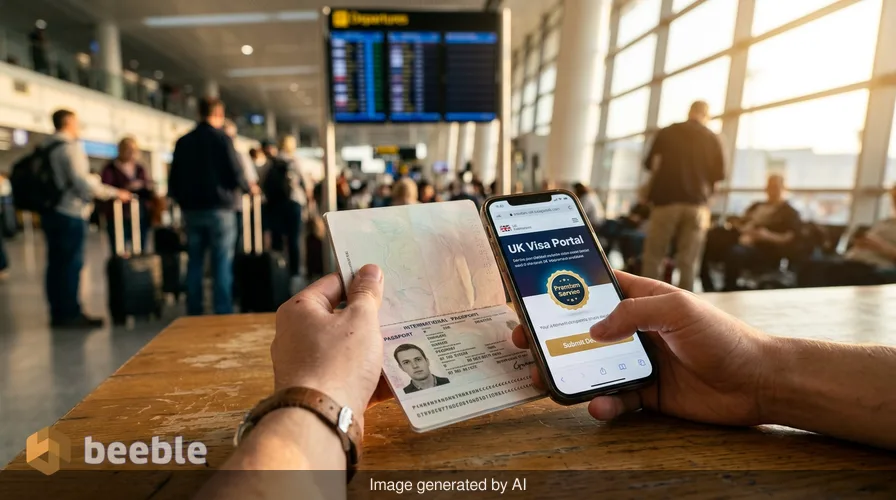
In the high-stakes arena of international travel, the visa application process is often perceived as a fortress of bureaucracy, requiring applicants to surrender their most sensitive biometrics to a system they assume is a shatterproof digital vault. For thousands of travelers, however, this perceived security was a devastating architectural paradox: while they paid premium fees for a professional-looking service called UK Visa Portal, their passports and identity-verifying selfie photos were being served to the open web with the same lack of protection as a public social media feed.
Behind the scenes, a security lapse of staggering proportions has left at least 100,000 documents exposed. This incident serves as a grim reminder that in the digital age, a professional facade does not equate to a robust defensive posture. As someone who spends my days communicating with white-hat researchers over PGP-encrypted channels and analyzing the debris of state-sponsored APT attacks, I find the simplicity of this failure particularly galling. It wasn't a sophisticated zero-day exploit or a complex social engineering campaign that compromised these individuals; it was a fundamental failure of data integrity and basic access control.
The Illusory Safety of Professional Wrappers
From an end-user perspective, the UK Visa Portal website appeared to be a legitimate, albeit third-party, gateway to the United Kingdom. Applicants, often stressed by the complexities of immigration law, found a site that promised to streamline the process for a fee. Consequently, they uploaded high-resolution scans of their passports and current photographs of themselves—the very keys to their legal identity. The paradox here is striking: the company built a user interface designed to inspire trust, yet failed to implement the most basic authorization checks to protect the data that trust provided.
Looking at the threat landscape, this type of exposure is a goldmine for malicious actors. When I analyze a breach, I look through the lens of the CIA triad—Confidentiality, Integrity, and Availability. In this instance, Confidentiality has been completely annihilated. Unlike a password breach where a user can simply rotate their credentials, a passport number and a facial biometric are persistent. They are mission-critical identity markers that, once compromised, remain exploitable for years. The human element in this story is particularly poignant; many victims were unaware they weren't even on an official government site, proving once again that the human firewall is often bypassed by the simple desire for a more convenient user experience.
A Confidentiality Crisis in Plain Sight
Technically speaking, the leak is as pervasive as it is stealthy. An anonymous source alerted TechCrunch to the vulnerability, which allowed anyone with the right URL structure to view and download the sensitive documents of strangers. There was no need for a bypass of advanced encryption or a brute-force attack on a decentralized network. The data was simply there, sitting in an unauthenticated directory. When TechCrunch verified the data, they didn't just look at the files; they conducted forensic validation by contacting the victims directly. The confirmation was unanimous: the data was accurate, current, and deeply personal.
In my experience investigating server misconfigurations, this is the equivalent of a VIP club bouncer who checks IDs at the front door but leaves the back loading dock wide open and unmonitored. The expected security—a HTTPS connection and a payment gateway—gave a false sense of a granular defense. In reality, the back-end storage was systemic in its failure to verify who was requesting the files. This is the dark matter of third-party risk: services that handle sensitive data but operate with the security maturity of a weekend hobbyist project.
The Responsibility Gap and the Wall of Silence
Perhaps the most troubling aspect of this autopsy is the company’s reaction—or lack thereof. When a responsible disclosure is made, the standard operating procedure for any resilient organization is to acknowledge the report, move proactively to secure the data, and then conduct a post-mortem. UK Visa Portal, however, chose a different path. They have no security.txt file, no clear reporting mechanism, and no management contact information available on their site.
When TechCrunch attempted to alert them, they weren't met with an incident response team ready to patch the hole. Instead, they were met by attorneys and public relations firms. This reactive stance is a textbook example of how not to handle a data breach. By refusing to put journalists in touch with technical management to receive the specific details of the leak, the company effectively allowed the security lapse to persist. From a risk perspective, every hour the site remains unpatched is an hour where identity thieves can continue to scrape the data. Patching aside, the refusal to communicate transparently suggests a fundamental misunderstanding of the gravity of the situation.
Assessing the Tail Risk of Identity Theft
Data, when handled this poorly, becomes a toxic asset. For the 100,000 people affected, the risk isn't just a hypothetical concern; it's a long-term threat to their financial and legal standing. A passport and a matching selfie are the "gold standard" for Know Your Customer (KYC) checks used by banks, cryptocurrency exchanges, and gambling sites. An attacker with access to this data could theoretically open accounts, apply for loans, or even commit crimes under the victim's name.
In the event of a breach of this nature, the damage is often stealthy and delayed. It might be months or years before a victim realizes their identity has been compromised. Proactively speaking, the victims are now forced into a state of permanent vigilance. This incident highlights why shadow IT and unverified third-party services are the dark matter of the modern internet. They exert a massive amount of risk on the public, yet they often operate outside the stringent regulations that govern official government entities or major financial institutions.
Navigating the Official Digital Frontier
It is essential for travelers to understand that the official path is almost always the most secure. The U.K. government provides a robust, heavily audited platform at GOV.UK for all visa and Electronic Travel Authorization (ETA) needs. Unless you are working with a qualified and vetted immigration attorney, there is no technical or legal reason to use a middleman service like UK Visa Portal. These sites are effectively digital Trojan horses—they offer a helpful service on the outside but carry a payload of risk on the inside.
If you must use a third-party service for any administrative task, look for the hallmarks of a secure operation before uploading a single byte of data. Does the company have a publicized security policy? Do they offer multi-factor authentication (MFA)? Is there a way to contact their security team? If the answer is no, you are essentially gambling with your identity. By design, the official government channels are built to handle this volume of sensitive data with the necessary oversight and accountability that private, fly-by-night portals lack.
Strengthening Your Own Human Firewall
As we look at the fallout of this exposure, the most important takeaway is the need for a more cynical approach to online services. We have become too comfortable with the "upload and forget" mentality. To protect yourself from becoming a statistic in the next major breach, consider the following practical steps:
- Verify the Domain: Always ensure you are on a ".gov" or ".gov.uk" domain for official government business. Look-alike domains are a primary tool for harvesting data.
- Audit Your Digital Footprint: If you have used third-party visa services in the past, assume your data may have been compromised and monitor your credit reports and bank statements for unauthorized activity.
- Use Watermarks: If you are forced to upload a passport scan to a non-official entity, consider adding a semi-transparent watermark that says "For [Company Name] Use Only - [Date]" across the image. While not a foolproof defense, it makes the data less valuable to identity thieves.
- Demand Transparency: Only use services that have a clear, easy-to-find privacy policy and a dedicated point of contact for security concerns.
In the end, the UK Visa Portal leak is a sobering autopsy of a failed architecture. It reminds us that while technology can scale convenience, it can also scale catastrophe if the principles of security are ignored. As an ethical journalist and a defender of digital privacy, my advice is simple: cut out the middleman, use the official channels, and never assume that a professional website is a secure one.
Sources:
- NIST Special Publication 800-53: Security and Privacy Controls for Information Systems and Organizations
- OWASP Top 10: Identification and Authentication Failures
- UK Government (GOV.UK) Official Visa and Immigration Guidelines
- TechCrunch Investigative Reporting on UK Visa Portal (May 2026)
Disclaimer: This article is for informational and educational purposes only. It does not constitute legal or professional cybersecurity advice. If you believe your identity has been compromised, please contact your local law enforcement and consult with a professional identity theft protection service or a cybersecurity incident response expert.



See you on the other side.
Our end-to-end encrypted email and cloud storage solution provides the most powerful means of secure data exchange, ensuring the safety and privacy of your data.
/ Create a free account
