




Cyber Security
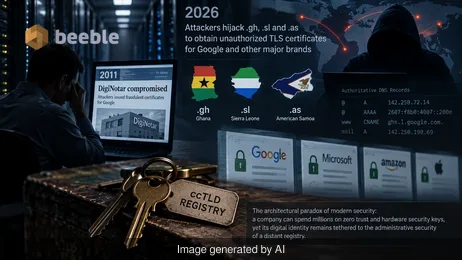
Attackers hijacked .gh, .sl, and .as country code top-level domains to issue unauthorized TLS certificates for Google and other global brands.

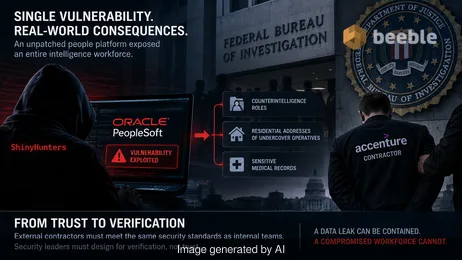
Analysis of the FBI breach involving Accenture and Oracle PeopleSoft. Strategies for mitigating third-party risk and implementing microsegmentation.

Analysis of the 2026 Denmark CPR breach affecting 8.8 million people through a third-party vendor. Learn how supply chain risks impact national security.
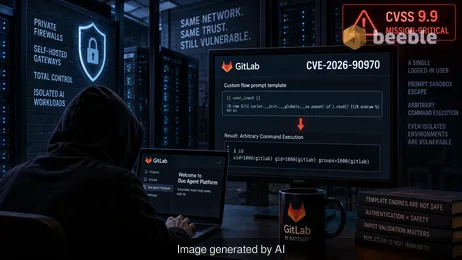
GitLab issued a critical patch for CVE-2026-90970, a 9.9 CVSS flaw in the AI Gateway. Learn how to secure your self-hosted server from command execution.
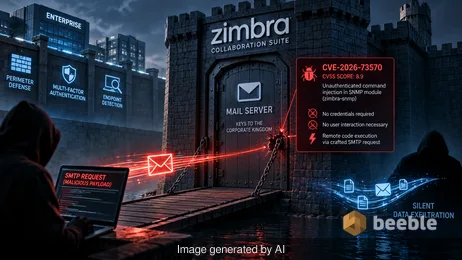
An analysis of CVE-2026-73570, an unauthenticated command injection flaw in Zimbra Collaboration Suite exploited to deploy web shells and steal credentials.
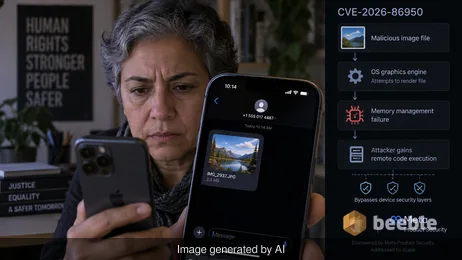
Apple patches CVE-2026-86950, a CoreGraphics flaw exploited in targeted attacks. Learn how this out-of-bounds write affects iOS and macOS devices.

Learn how the x47.c botnet uses AI API draining to cause financial loss and how to protect your OpenAI and xAI credits from Denial of Wallet attacks.
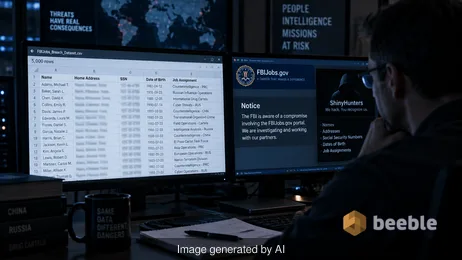
An autopsy of the ShinyHunters FBI data breach, revealing how a recruitment portal leak exposed the identities and roles of counterespionage agents.



See you on the other side.
Our end-to-end encrypted email and cloud storage solution provides the most powerful means of secure data exchange, ensuring the safety and privacy of your data.
/ Create a free account
