


Portugal Raises Social Media Age Limit to 16, Requiring Parental Consent

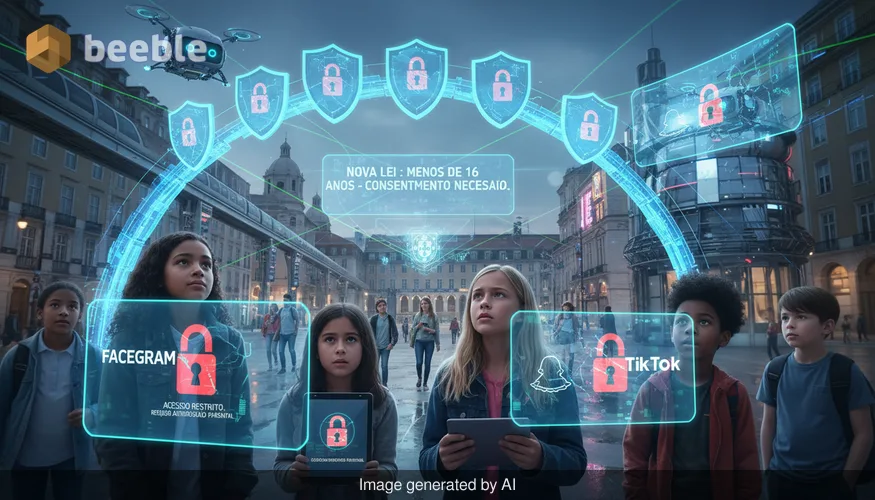
Portugal Joins Growing Movement to Protect Young Users Online
Portugal's parliament has approved legislation raising the minimum age for independent social media access from 13 to 16 years old, positioning the country alongside a growing number of nations implementing stricter digital protections for children. The new law mandates that children under 16 must obtain explicit consent from parents or legal guardians before accessing social networks and similar platforms.
The decision marks a significant shift in how European nations approach youth digital safety. While the previous threshold of 13 aligned with standards established by regulations like the U.S. Children's Online Privacy Protection Act (COPPA), Portugal now joins countries like Australia and France in setting more restrictive age requirements for social media participation.
What the New Law Actually Changes
Under Portugal's updated framework, platforms operating in the country must implement verification systems to confirm that users under 16 have secured parental approval before creating accounts or accessing services. This represents a departure from the previous 13-year threshold, which had become the de facto global standard for many social networks.
The legislation doesn't ban young people from social media entirely—rather, it establishes a gatekeeping mechanism that gives parents and guardians formal authority over their children's digital presence. Platforms will need to demonstrate that they've obtained verifiable parental consent for underage users, though the specific technical requirements for verification remain subject to regulatory guidance.
This approach differs from outright bans. Australia, for example, passed legislation in late 2024 prohibiting social media access entirely for children under 16, placing the enforcement burden on platforms rather than parents. Portugal's model preserves parental discretion while raising the age at which young people can independently make these decisions.
The Broader European Context
Portugal's move reflects mounting concern across Europe about social media's impact on young users' mental health, privacy, and development. France implemented similar age restrictions in 2023, requiring parental consent for users under 15. The United Kingdom has debated comparable measures through its Online Safety Act, which includes provisions for age verification and parental controls.
The European Union's Digital Services Act (DSA), which came into full effect in 2024, already imposes strict obligations on platforms regarding minors' data and targeted advertising. However, the DSA leaves age threshold decisions to individual member states, creating a patchwork of regulations across the continent.
This fragmented approach presents challenges for both platforms and families. A Portuguese teenager traveling to Spain might technically have different social media access rights depending on their location, though enforcement of such distinctions remains practically difficult.
Technical Challenges of Age Verification
Implementing age verification systems that balance privacy, security, and effectiveness has proven technically complex. Platforms must now determine whether a user is under 16, whether they have parental consent, and whether the person providing consent is actually a parent or guardian—all without creating excessive privacy risks or barriers to legitimate use.
Current verification methods include:
- Document upload systems that require government-issued ID, raising privacy concerns about data retention
- Credit card verification, which assumes parents have payment cards and creates financial barriers
- Third-party verification services that estimate age based on selfies or other biometric data
- Email-based parental consent flows, which are easily circumvented by tech-savvy children
None of these approaches is perfect. Document-based systems create honeypots of sensitive personal data. Biometric analysis raises ethical questions about collecting children's facial data. Simple email verification can be defeated by young users who create fake parent accounts.
Platforms operating in Portugal will need to demonstrate compliance while managing these technical and ethical challenges. The regulatory details—including acceptable verification methods, data retention limits, and penalty structures—will likely emerge through implementation guidance from Portuguese authorities.
What Parents and Young People Should Expect
For Portuguese families, the practical implications will unfold over the coming months as platforms adapt their systems. Parents should anticipate receiving verification requests if their children already use social media or when they attempt to create new accounts.
The change creates an opportunity for family conversations about digital citizenship. Rather than viewing parental consent as simply a checkbox exercise, families can use the verification process as a starting point for discussing online safety, privacy, content moderation, and healthy technology habits.
Young people who currently access social media independently may find their accounts flagged for verification. While this could feel restrictive, it also provides a framework for negotiating digital boundaries with parents based on maturity and demonstrated responsibility.
Platform Compliance and Enforcement Questions
The legislation's effectiveness depends heavily on enforcement mechanisms and platform cooperation. Portugal's regulatory authorities will need to monitor compliance, investigate violations, and impose penalties on platforms that fail to implement adequate safeguards.
Major platforms like Instagram, TikTok, and Snapchat—which already operate under various regulatory frameworks across different markets—will likely integrate Portugal's requirements into their existing age verification systems. Smaller platforms and emerging social networks may face steeper compliance challenges given the technical and legal resources required.
Critically, the law's success depends on how well it can be circumvented. Determined young users may use VPNs to mask their location, provide false information, or access platforms through accounts registered in other countries. These enforcement challenges have plagued similar regulations elsewhere and will test Portugal's implementation approach.
Looking Forward: A Global Trend Toward Age Restrictions
Portugal's decision reflects a global reassessment of when young people should independently access social platforms. Following concerns about mental health impacts, cyberbullying, exploitation risks, and addictive design patterns, governments worldwide are reconsidering the 13-year-old threshold that emerged from early 2000s privacy regulations.
This movement shows no signs of slowing. Several U.S. states have enacted or proposed age verification laws, while countries across Asia and Latin America are examining similar frameworks. The question is no longer whether to regulate youth social media access, but how to do so effectively while respecting privacy and family autonomy.
For the technology industry, this regulatory fragmentation creates operational complexity. Building systems that accommodate different age thresholds, verification methods, and parental consent models across dozens of jurisdictions requires significant engineering resources and ongoing policy monitoring.
Practical Steps for Portuguese Families
As the law takes effect, families should:
- Review current social media usage - Inventory which platforms your children use and anticipate verification requests
- Discuss expectations openly - Use the verification process to establish shared understanding about online behavior and boundaries
- Understand privacy implications - Ask platforms what data they collect during verification and how it's protected
- Stay informed about implementation - Follow guidance from Portuguese authorities about timeline and requirements
- Consider digital citizenship education - Use this transition as an opportunity to teach critical evaluation of online content and healthy technology habits
The legislation represents a meaningful step toward greater parental involvement in young people's digital lives, though its long-term effectiveness will depend on thoughtful implementation, robust enforcement, and continued dialogue between families, platforms, and policymakers.
Sources
- European Union Digital Services Act official documentation
- French age verification legislation analysis from digital rights organizations
- Australia's social media age restriction law, passed November 2024
- Technical age verification standards from industry working groups
- Portuguese parliamentary proceedings on the social media access bill
- Meta, TikTok, and Snap public policy statements on age verification
- Academic research on effectiveness of parental consent mechanisms for online services



See you on the other side.
Our end-to-end encrypted email and cloud storage solution provides the most powerful means of secure data exchange, ensuring the safety and privacy of your data.
/ Create a free account
