


The High Cost of Ambition: Why Star Wars Eclipse is Stuck in Hyperdrive
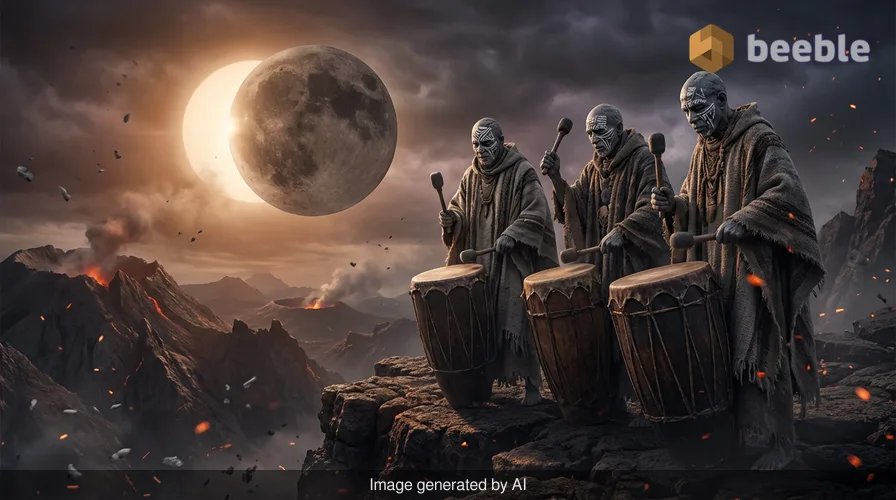
You press play on a cinematic trailer, and for three minutes, the world feels expansive. The drums of a new Star Wars era beat with a rhythmic, primal intensity; lightsabers clash in a way that feels both nostalgic and disruptive. In that moment, the game exists in its most perfect form—as a promise. But as the screen fades to black and the years begin to crawl by without a release date, that excitement often curdles into a familiar, modern frustration. We have become an audience of waiters, perpetually standing in a digital line for experiences that may never actually arrive.
Recent reports regarding Quantic Dream’s Star Wars Eclipse suggest that this particular line is moving slower than anyone anticipated. While the studio has reportedly completed a good portion of the game, progress has hit a crawl. Behind the scenes, the project’s survival may no longer hinge on the creative vision of its writers or the fidelity of its engine, but on the financial performance of a completely unrelated 3v3 multiplayer title called Spellcasters Chronicles. This shift—from creative milestones to fiscal life-support—is a microcosm of a much larger, more pragmatic shift happening across the entire gaming industry.
The Architectural Fragility of the AAA Blockbuster
In everyday terms, building a modern AAA game is less like painting a masterpiece and more like constructing a skyscraper while the ground underneath is still shifting. When Quantic Dream announced Eclipse in 2021, it wasn't just promising a story; it was promising a massive, interconnected narrative web in a galaxy far, far away. Historically, Quantic Dream has specialized in "interactive cinema"—games like Heavy Rain and Detroit: Become Human that prioritize choice over complex combat mechanics.
However, Eclipse represents a leap into a more traditional action-adventure space. This transition is where the "architectural foundation" metaphor becomes literal. If the studio’s internal tools and staffing levels aren't equipped for the sheer scale of a Star Wars open world, the project becomes bloated. Reports indicate that despite discussions with parent company NetEase about hiring more staff, the reinforcements never arrived. Consequently, the developers are left trying to build a cathedral with the crew of a cottage, leading to the "very slow going" pace that has fans worried.
The Spellcasters Pivot: Gaming’s New Safety Net
Paradoxically, the fate of a high-stakes narrative epic now rests on the shoulders of a free-to-play multiplayer game. Spellcasters Chronicles is Quantic Dream’s first foray into the competitive live-service arena. To put it another way, the studio is trying to fund its passion project by opening a digital concession stand.
This is a symptom of the "content walled garden" strategy. For a giant like NetEase, investing hundreds of millions into a single-player narrative is a high-risk gamble. In contrast, a multiplayer game with microtransactions offers a steady, predictable stream of revenue—or at least the hope of one. If Spellcasters fails to find an audience, the source of funding for Eclipse dries up. We are seeing a trend where the games we want to play are increasingly held hostage by the financial success of the games the industry wants us to pay for repeatedly.
Franchise Fatigue and the Weight of Lore
Zooming out to the industry level, Star Wars Eclipse is also battling a growing sense of franchise fatigue. There was a time when a new Star Wars announcement was a global event; now, it is one of a dozen tiles on a streaming menu or a storefront. Through this audience lens, the delay of Eclipse isn't just a scheduling issue; it’s a loss of momentum.
| Project Status | Title | Developer | Genre |
|---|---|---|---|
| Released | Star Wars Outlaws | Ubisoft | Open World Action |
| In Development | Star Wars Eclipse | Quantic Dream | Narrative Action-Adventure |
| In Development | Jedi 3 (Untitled) | Respawn | Action-Adventure |
| In Development | Star Wars FPS | Bit Reactor | Strategy/Tactics |
When a game takes five, six, or seven years to develop, it risks becoming a relic before it even launches. The mechanics that felt immersive in 2021 might feel clunky by 2027. The narrative tropes that felt fresh might become derivative after three more Disney+ series have explored similar themes. This is the "lore creep" problem: the more a universe expands, the harder it is for any single entry to feel essential.
The Human Cost of the Hype Cycle
Ultimately, the uncertainty surrounding Eclipse reflects a disconnect between how games are marketed and how they are made. We are sold on the "magic trick"—the seamless transition from cutscene to gameplay—but we rarely see the fragmented, difficult process behind it. For the developers at Quantic Dream, the pressure is multifaceted. They are balancing the expectations of a legendary IP with the cold reality of corporate restructuring and the volatile whims of the free-to-play market.
On an individual level, as consumers, we have to ask ourselves: are we okay with this model? We have entered an era where the "coming soon" teaser is a permanent fixture of our cultural diet. We consume the hype, we analyze the trailers, and then we wait. And wait. This cycle turns our leisure time into a form of unpaid brand management, where we spend more time defending or worrying about a game's development than actually playing it.
Food for Thought: Reclaiming the Experience
As we look toward the potential 2026 release of Star Wars Eclipse, it is worth shifting our perspective on how we engage with the industry's promises.
- Question the Announcement: Why do we celebrate a cinematic trailer for a game that is five years away? Recognizing that trailers are marketing, not products, can help mitigate the sting of delays.
- Observe the Ecosystem: Pay attention to how "smaller" titles like Spellcasters Chronicles are used to subsidize blockbusters. Our engagement with these smaller titles often dictates the survival of the larger ones.
- Value the Finished, Not the Future: Instead of dwelling on the "missing puzzle pieces" of unreleased games, there is a quiet power in returning to completed, resilient experiences that don't require a roadmap to enjoy.
Behind the scenes, the gears of the industry will continue to grind. Whether Star Wars Eclipse eventually emerges from hyperspace or remains a ghost in the production schedule, its journey tells us everything we need to know about the fragile, expensive, and often chaotic state of modern entertainment.
Sources
- Industry reports from Insider Gaming on Quantic Dream's internal development struggles.
- Financial briefings and acquisition details from NetEase regarding the 2022 Quantic Dream purchase.
- Early access data and release timelines for Spellcasters Chronicles (February 2026).
- Historical release patterns and project announcements from Lucasfilm Games.



See you on the other side.
Our end-to-end encrypted email and cloud storage solution provides the most powerful means of secure data exchange, ensuring the safety and privacy of your data.
/ Create a free account
