


The Spyware in the Mirror: How a Fake WhatsApp App Targeted iOS Users

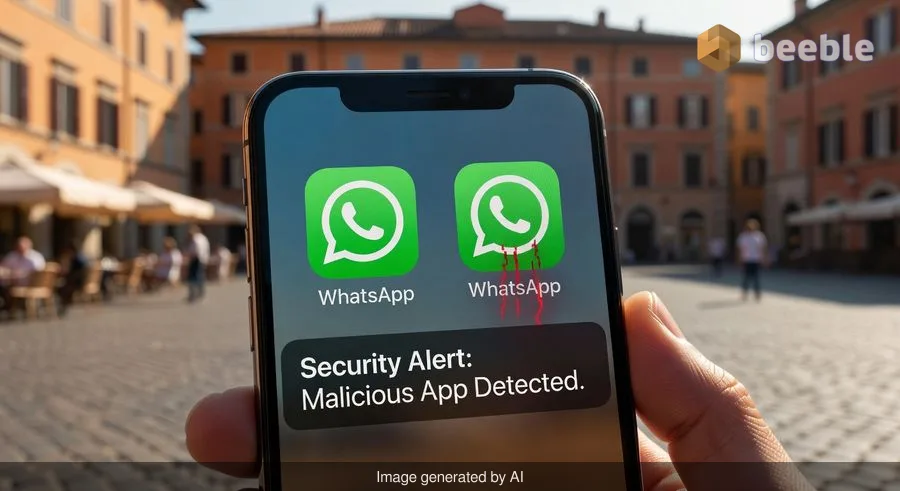
How certain are you that the app you just updated is actually the one you think it is? For approximately 200 users, mostly in Italy, that question recently became a mission-critical reality check. Meta-owned WhatsApp recently took the unusual step of alerting a specific group of individuals who were tricked into installing a counterfeit version of its iOS application—one that was silently laced with sophisticated spyware.
From a privacy standpoint, this incident is a stark reminder that the walled garden of the Apple ecosystem is not impenetrable. While we often associate malicious sideloading with Android, this attack leveraged social engineering to bypass the standard App Store protections. Curiously, the fallout has led Meta to take legal and technical action against Asigint, an Italian subsidiary of the spyware firm SIO, alleging they were the architects behind this digital Trojan horse.
The Anatomy of the Social Engineering Trap
In my years analyzing complex APT attacks, I’ve found that the most effective exploits rarely rely on zero-day vulnerabilities alone; they rely on human psychology. In this instance, the threat actors didn’t need to hack WhatsApp’s servers. Instead, they used social engineering tactics to convince users to download a modified version of the app.
To put it another way, if the official WhatsApp is a secure vault, these users were handed a replica vault that looked identical but had a secret door built into the back. Once installed, the malicious app appeared to function normally, yet behind the scenes, it was harvesting sensitive data and monitoring communications. This wasn’t a wide-net phishing attempt; it was a granular, targeted operation.
The Role of Commercial Spyware
The involvement of an Italian firm like Asigint brings the opaque world of commercial surveillance into the spotlight. These companies often frame their products as tools for law enforcement and intelligence agencies—a digital compass for navigating the complexities of modern crime. However, when these tools are deployed via counterfeit apps against unsuspecting users, the line between statutory surveillance and unauthorized intrusion becomes dangerously blurred.
From a risk perspective, the existence of such software creates a precarious environment for activists, journalists, and even high-ranking corporate officials. When a private entity develops a non-compliant version of a secure messenger, they aren't just providing a service; they are actively compromising the integrity of the global communication infrastructure. Meta’s proactive response—logging out affected users and pursuing the creators—is a necessary countermeasure in an increasingly intrusive landscape.
Why iOS Users Weren't Safe
There is a common misconception that iOS is immune to malware because of its stringent sandboxing and the "closed" nature of the App Store. Notwithstanding these protections, attackers often use Enterprise Certificates or Mobile Device Management (MDM) profiles to distribute apps outside the official store.
Essentially, the attackers convince the user to trust a new "profile" on their device, which acts as a key to unlock the installation of unauthorized software. Once the user clicks 'Allow,' the human firewall has been breached. At the architectural level, the phone is doing exactly what it was told to do, even if the user didn't fully grasp the consequences of that permission.
Data as a Toxic Asset
I often tell my colleagues that we should treat sensitive data like Uranium: it is incredibly valuable, but if handled incorrectly or leaked, it becomes a toxic asset that can cause systemic damage. For the 200 individuals targeted in this campaign, their personal messages, contacts, and perhaps even their locations became liabilities.
In a regulatory context, this incident highlights the ongoing battle between end-to-end encryption and the demand for "lawful access." While WhatsApp remains a robust, encrypted platform, that encryption is moot if the app itself is compromised. If the "endpoint" (your phone) is running a malicious version of the software, the data is captured before it is ever encrypted for transit.
Lessons from the Forensic Trail
As a journalist who has spent time communicating via Signal and PGP to protect sources, I’ve developed a healthy sense of paranoia regarding app integrity. This incident reinforces several key principles of digital hygiene that are often overlooked in the name of convenience.
Ultimately, the responsibility for security is multifaceted. While Meta can patch holes in its code and take down malicious infrastructure, the end-user remains the final line of defense. If an app asks you to download a "special version" from a website rather than the official store, or requires you to install a configuration profile, you are likely looking at a digital hostage situation in the making.
How to Protect Your Digital Perimeter
If you are concerned about the integrity of your messaging apps, or if you suspect you might be a target of sophisticated surveillance, consider the following actionable steps:
- Audit Your App Sources: Only download WhatsApp and other communication tools directly from the official Apple App Store or Google Play Store. Never trust a link sent via SMS or email that directs you to a third-party download site.
- Check for Configuration Profiles: On iOS, go to Settings > General > VPN & Device Management. If you see profiles you don't recognize or that weren't installed by your employer, remove them immediately.
- Enable Two-Step Verification: While this won't stop a fake app from reading your messages, it provides a layer of resilience against unauthorized account takeovers.
- Monitor Device Behavior: Unusual battery drain, overheating, or unexpected data usage can be signs of stealthy background processes typical of spyware.
- Stay Updated: Ensure your operating system is running the latest version. Patching is like plugging holes in a ship's hull; it won't stop the storm, but it keeps you buoyant.
In the event of a breach, the best course of action is a factory reset and a change of all mission-critical passwords. Security is not a destination but a continuous process of verification.
Sources
- Reports from La Repubblica and ANSA regarding Italian spyware targets.
- Official statements from Meta/WhatsApp regarding legal action against Asigint.
- Technical analysis of iOS malware distribution via configuration profiles.
- Publicly available service descriptions from SIO and Asigint websites.



See you on the other side.
Our end-to-end encrypted email and cloud storage solution provides the most powerful means of secure data exchange, ensuring the safety and privacy of your data.
/ Create a free account
