


Inside the Legal Loophole That Lets Amazon Keep Your Tariff Refunds

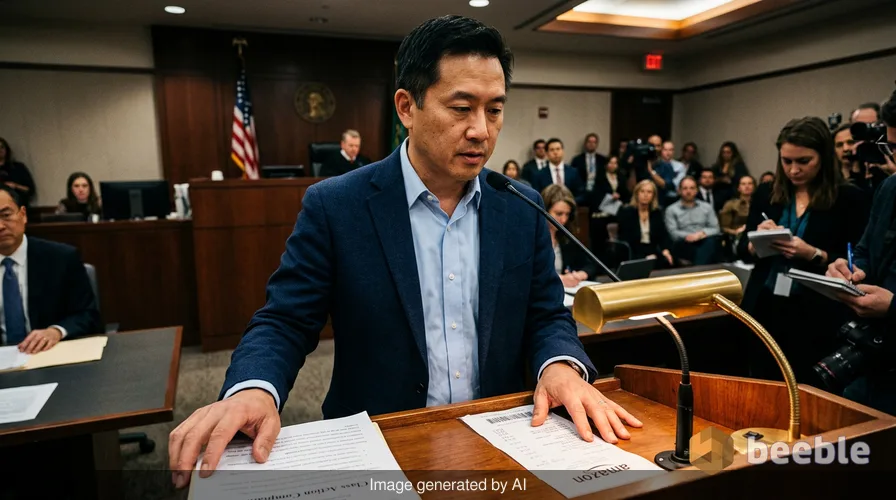
You might not have noticed it at the time, but for the last few years, the price of your favorite electronics, kitchen gadgets, and apparel on Amazon has been quietly inflated by a series of sweeping international trade taxes. These charges, known as tariffs, were instituted during the Trump administration and applied to billions of dollars worth of goods imported from abroad. For the average shopper, this felt like a simple price hike. Behind the curtain, however, a massive financial tug-of-war was taking place between corporations and the federal government.
Recently, the landscape shifted. Following a landmark 6-3 decision from the U.S. Supreme Court, many of these tariffs were declared unlawful. This ruling opened the floodgates for companies to reclaim hundreds of millions of dollars from the U.S. government. But while several shipping giants and retailers have started the process of returning that money to the people who actually paid for it—the consumers—Amazon is facing a massive class action lawsuit in Seattle for allegedly pocketing the difference. As a legal journalist, I see this as a classic case of what we call a windfall: a sudden, unexpected financial gain that one party keeps at the expense of another.
The Anatomy of an Unlawful Tax
To understand why Amazon is in hot water, we first have to look at how tariffs work in practice. Think of a tariff as a border toll. When a company imports a product, they pay this toll to the government. However, most companies don't just eat that cost; they treat it like any other overhead, such as electricity or rent, and pass it on to you by raising the price of the item. Essentially, you were the one paying the tariff, even if the government’s bill was technically addressed to Amazon.
The Supreme Court recently decided that the specific way these tariffs were enacted didn't follow the proper legal roadmaps. In the eyes of the law, when a tax is found to be unauthorized, the government cannot keep the money. It must offer restitution—a legal term for returning something to its rightful owner or providing compensation for a loss. The federal government has begun paying these billions back to the corporations that originally wrote the checks.
Why Amazon is Choosing Silence Over Refunds
The lawsuit, filed in Amazon’s home turf of Seattle, makes a provocative claim. It suggests that while other companies like DHL and UPS are actively working to funnel these refunds back to their customers, Amazon has remained silent. The plaintiffs argue that Amazon is generating a massive profit from these returned funds.
Curiously, the lawsuit also alleges a political motive, suggesting that Amazon hasn't sought the full scope of available refunds to avoid friction with the former administration's policies. Whether or not that political theory holds up in court, the core legal issue remains: if the money was collected from consumers to cover a cost that has now been refunded, who does that money belong to?
From a legal standpoint, this falls under the doctrine of unjust enrichment. This principle suggests that it is unfair for one person or company to profit at another's expense without a valid legal reason. If Amazon collected "Tariff Money" from you, and then the government gave that "Tariff Money" back to Amazon, the company keeping it would be like a middleman pocketing a refund meant for the buyer.
The Class Action Shield
If you have ever felt powerless against a trillion-dollar corporation, you are not alone. This is exactly why the class action system exists. In litigation, a class action allows one person or a small group to represent thousands—or even millions—of people who have suffered the same harm.
Think of the law as a shield for the vulnerable. An individual shopper trying to sue Amazon for a $5.00 price difference on a toaster would spend more on a single hour of an attorney's time than they could ever hope to win. It simply isn't actionable for the average person. But when those millions of $5.00 overcharges are bundled together, they become a multi-million-dollar force that can stand up to corporate legal teams.
This lawsuit seeks to hold Amazon liable for the total amount of tariff costs passed on to consumers. If the court finds that Amazon’s retention of these funds is indeed a violation of consumer protection laws, a massive payout could be on the horizon for anyone who shopped on the platform during the affected years.
Comparing the Corporate Response
One of the strongest arguments in the plaintiffs' corner is the contrast in how other companies are handling the situation. Large-scale logistics firms like FedEx and UPS have already signaled their intent to pass proceeds from these tariff refunds onto their customers. These companies recognize that their role was essentially that of a pass-through entity.
On the other end of the spectrum, companies like Nintendo have taken an even more aggressive stance by suing the government directly to ensure they get every penny of the unlawful tariffs back. Amazon, by contrast, sits in a precarious position. By allegedly failing to seek these refunds or pass them along, they are accused of acting as a bottleneck, stopping the flow of restitution before it reaches the consumer's wallet.
What This Means for Your Wallet
It is important to manage expectations: class action lawsuits are a marathon, not a sprint. This case has only just been filed, and Amazon will undoubtedly deploy a robust defense. They may argue that their pricing wasn't a direct reflection of tariffs or that their terms of service include binding arbitration clauses that prevent customers from joining class actions in the first place.
Arbitration is a common boilerplate clause in digital contracts where you agree to settle disputes privately rather than in a courtroom. It is often a trapdoor that prevents consumers from seeking collective justice. However, courts are increasingly skeptical of these clauses when they are used to shield systemic corporate misconduct.
Actionable Steps for Concerned Consumers
While we wait for the legal gears to turn in Seattle, there are a few things you can do to stay prepared:
- Keep Your Records: If you made significant purchases (like high-end electronics or appliances) between 2018 and 2024, ensure you have access to those digital receipts. Amazon’s order history is a great tool, but downloading a local copy of your transaction history is a safer bet.
- Monitor Class Action Notices: If the suit is certified by a judge, you may eventually receive an email or a postcard notifying you that you are a member of the "class." Do not ignore these; they contain the instructions on how to claim your share of a settlement.
- Check Other Retailers: If you bought imported goods from other major retailers during this period, keep an eye on their refund policies. Some may initiate their own refund programs to avoid similar litigation.
- Review the Small Print: Take a moment to look at the current terms of service on the apps you use. Understanding whether you have signed away your right to a jury trial is the first step in being an informed consumer.
Ultimately, this lawsuit is about more than just a few dollars added to the price of a blender. It is about the fundamental principle that corporations should not be allowed to benefit from unlawful government actions at the expense of the public. Whether through a settlement or a court verdict, this case will set a significant precedent for how international trade costs are handled in the digital age.
Sources: U.S. Supreme Court Rulings on Section 301 Tariffs, Washington State Consumer Protection Act, Federal Rules of Civil Procedure - Rule 23 (Class Actions).
Disclaimer: This article is for informational and educational purposes only and does not constitute formal legal advice. If you believe you have a specific legal claim, please consult with a qualified attorney in your jurisdiction.



See you on the other side.
Our end-to-end encrypted email and cloud storage solution provides the most powerful means of secure data exchange, ensuring the safety and privacy of your data.
/ Create a free account
