


The Great AI Paywall: ChatGPT Rolls Out Ads for Free and Go Users

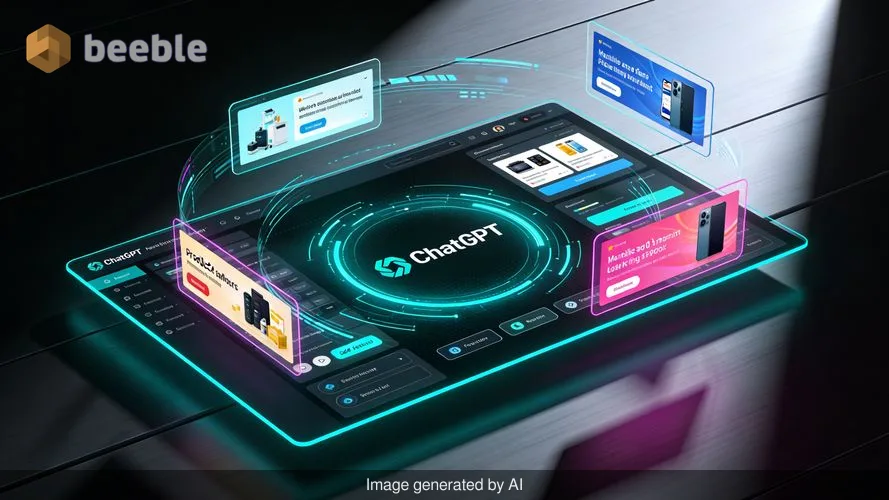
In a pivotal moment for the consumer AI industry, OpenAI has begun testing advertisements within its flagship product, ChatGPT. This move, which applies to users on the free tier and the new low-cost ChatGPT Go subscription, officially pivots the world’s most popular chatbot into an ad-supported model. The decision, driven by the immense operational costs of large language models, immediately ignited a public debate with rivals over the very integrity and trust users place in their personal AI assistants.
The Economics of AI: Why OpenAI is Turning to Ads
Running a world-class large language model (LLM) like the one powering ChatGPT is a colossal financial undertaking, with computing and infrastructure costs scaling into the billions. The addition of ads is OpenAI’s pragmatic solution to this economic reality: a bid to monetize its massive user base, estimated at hundreds of millions of people, a majority of whom utilize the free tier.
OpenAI stated that advertising would help fund the infrastructure required to keep the Free and Go tiers running, supporting broader access to its advanced AI capabilities. The company is betting that a hybrid ad-and-subscription model will allow it to continue offering a high-quality, widely accessible product while pursuing profitability.
Who Will See Ads, and Where They Will Appear
This limited ad test is currently rolling out to logged-in adult users in the U.S. on the following tiers:
- Free Tier: Users who access the basic model without any payment.
- ChatGPT Go: The newly introduced, low-cost subscription plan, priced at $8 per month in the U.S..
Users on the more expensive paid tiers will remain exempt from all advertising. This includes ChatGPT Plus ($20/month), Pro, Business, Enterprise, and Education subscriptions.
In an effort to mitigate user frustration, OpenAI has been explicit about the ad format: the ads will be clearly labeled as sponsored content and appear at the bottom of the conversation window, visually separated from the core AI-generated response. The ads are initially contextual, meaning they are matched to the broad topic of the user’s current conversation.
The Critical Test: Ad Influence and User Trust
OpenAI is highly sensitive to the industry’s central concern: whether ads will compromise the impartiality of the AI’s answers. In its official blog post, the company emphasized a commitment to trust:
“Ads do not influence the answers ChatGPT gives you, and we keep your conversations with ChatGPT private from advertisers. Our goal is for ads to support broader access to more powerful ChatGPT features while maintaining the trust people place in ChatGPT for important and personal tasks.”
OpenAI has pledged not to share user conversations, chat history, or personal details with advertisers, who only receive aggregate data on ad performance, such as views and clicks. Furthermore, the company has implemented safeguards to prevent ads from appearing near sensitive or regulated topics, such as health, mental health, or politics.
The Rivalry Goes Public: Anthropic’s Super Bowl Jab
The ad rollout did not happen in a vacuum. The announcement drew direct, public ridicule from OpenAI’s top rival, Anthropic, developer of the Claude AI assistant. Anthropic ran a series of high-profile Super Bowl commercials that directly mocked the idea of an ad-supported AI.
The commercials, which ran during the most expensive advertising slot in American media, featured human-like advisors—intended to represent chatbots—abruptly pivoting from earnest guidance into awkward, poorly targeted product pitches. One spot, for instance, showed a helpful therapist suddenly hawking a cougar-dating site. The campaign’s tagline was a clear shot across the bow: “Ads are coming to AI. But not to Claude.”
OpenAI CEO Sam Altman responded testily to the campaign, calling the ads “dishonest” because they misrepresented OpenAI’s actual, separate ad format, and labeled Anthropic an “authoritarian company” for their aggressive stance. Anthropic, for its part, has framed its ad-free policy as a matter of user trust, arguing that users should not have to second-guess whether their AI is genuinely helping them or subtly steering a conversation toward a monetizable product.
Practical Takeaways for ChatGPT Users
For users in the U.S. currently engaging with ChatGPT on the Free or Go tiers, the new monetization strategy introduces an important choice. Below is a breakdown of the key tiers and what this change means for your experience:
| ChatGPT Tier | U.S. Monthly Price | Ad-Free? | Primary Model Access | Opt-Out Available? |
|---|---|---|---|---|
| Free | $0 | No (Ad-Supported) | GPT-4o (Limited) / GPT-5.2 Instant | Yes, in exchange for fewer messages |
| Go | $8 | No (Ad-Supported) | Expanded GPT-5.2 Instant | No (Ad-supported is fundamental to the tier) |
| Plus | $20 | Yes (100% Ad-Free) | Full GPT-5.2 Thinking, Sora, Pro features | N/A |
What to Do Next:
- For Free Users Seeking Full Trust: If you use ChatGPT for critical, sensitive, or deeply personal tasks, the most reliable path to an ad-free, unbiased experience is to upgrade to a paid tier like ChatGPT Plus ($20/month). While OpenAI promises impartiality in the ad-supported tiers, the Plus tier guarantees a complete separation.
- For Casual Users: If you are a free user and find the new ads unobtrusive, no action is needed. If you object to the ads but are unwilling to pay, navigate to your settings to opt out of ads, but be aware this will limit your daily usage of the chatbot.
- For Cost-Conscious Power Users: The $8/month Go tier is designed to give you significant capacity for daily use (10x more than the Free tier) by trading an ad-free experience for a lower price. This is the model to choose if you are comfortable with ads in exchange for high-volume access to the slightly less powerful Instant model.
This new ad chapter for ChatGPT is a watershed moment, underscoring that the golden era of fully subsidized, unlimited-access consumer AI is over. The competitive battleground has shifted from simply capability to also encompass business model and user trust. The industry will be watching closely to see if OpenAI can manage the delicate balance of maximizing revenue without eroding the very trust that made the chatbot ubiquitous in the first place.



See you on the other side.
Our end-to-end encrypted email and cloud storage solution provides the most powerful means of secure data exchange, ensuring the safety and privacy of your data.
/ Create a free account
