


We Have More Fallout Than Ever Before, So Why Does the Next Game Feel Further Away?

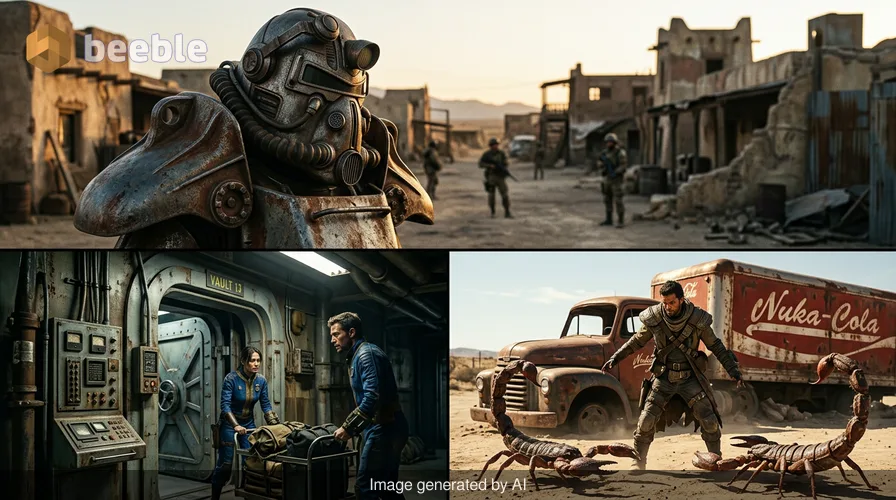
We used to measure the health of a video game franchise by the proximity of its next sequel. If a studio released a game in 2008, the audience expected a follow-up by 2011. This was the era of the linear release schedule. Now we live in the era of the brand ecosystem. The distance between flagship entries is no longer a sign of a dying property. Instead, it is a deliberate choice in a larger corporate strategy. Todd Howard, the director of Bethesda Game Studios, recently addressed the absence of Fallout 5 by shifting the focus away from the game itself. He views the franchise as a collection of chapters that include television, mobile experiences, and remasters. This shift suggests that the wait for the next big game is not a void. It is a crowded room.
the transition from sequels to seasons
We used to wait for a single disc to arrive on a shelf. This was a clear, finite event that defined our relationship with a fictional world. Now we interact with franchises through a constant stream of adjacent media. The Fallout television series on Prime Video is the primary example of this change. It is a standalone chapter that exists alongside the games rather than beneath them. The show has already aired two seasons and a third is in development. For many viewers, this is their first contact with the wasteland. They do not see the absence of Fallout 5 as a delay. They see a healthy story that is currently active on their television screens.
Behind the scenes, this creates a new kind of pressure for Bethesda. The studio must maintain the interest of millions of new fans while the primary development team is busy with other projects. Historically, a long gap between games led to a loss of cultural relevance. Today, the algorithm ensures that the brand stays in front of the audience through different formats. Paradoxically, the more successful the TV show becomes, the less urgent the next game feels to the parent company. They have already captured the attention of the public. The game is just one part of a wider architecture.
understanding the rhythm of pocket-timing
Todd Howard uses the term pocket-timing to describe the current state of Fallout. In music, this refers to a performer who stays perfectly within the groove of the rhythm section. In the entertainment industry, it refers to the synchronization of different products to create a continuous flow of content. Bethesda is not rushing Fallout 5 because they believe the current rhythm is already successful. They have remasters for Fallout 3 and Fallout: New Vegas in development. These projects provide a nostalgic fix for long-time fans and a gateway for new ones.
This strategy treats the franchise like a sprawling city. We used to live in one house and wait for the builder to finish the one next door. Now we walk through a city where several buildings are under renovation at once. If the main tower is not ready, the developer opens a park or a museum. The remasters are the renovations of this city. They allow Bethesda to keep the audience inside the walls of the franchise without the five-year development cycle of a brand-new engine. This is a conversation between the developer and the player about what constitutes progress. For Howard, progress is the health of the brand, not the release date of a specific software package.
the return of obsidian and the remaster strategy
The confirmation that Obsidian Entertainment is working on a new Fallout project is a major shift in the industry power dynamic. Obsidian developed Fallout: New Vegas, a game that many fans consider the high-point of the series for its narrative depth. For years, the idea of a return to this partnership was a dream for the community. Now it is a reality. This move solves a logistical problem for Bethesda. The main studio is in pre-production for Fallout 5, but that game is a long-term destination. It is years away from completion.
By bringing Obsidian back into the fold, Bethesda effectively outsources the creative burden of keeping the franchise alive. This is an example of the fragmented nature of modern AAA development. A single studio no longer has to carry the weight of a massive IP alone. Consequently, the audience receives a variety of perspectives on the same world. The remasters of the older games also serve a technical purpose. They update the clunky mechanics of the past for a modern audience. This is a streamlined way to bridge the gap between the 2008 era and the 2026 expectations of players. It is an acknowledgment that the original games are the foundation, but they need a fresh coat of paint to remain relevant in a competitive market.
raven rock and the prequel problem
Fallout 76 is another pillar of this strategy. The upcoming Raven Rock update is a prequel to Fallout 3. This choice is narratively significant because it connects the live-service game to the most popular entry in the series history. We used to see live-service games as separate entities that existed on the fringes of a franchise. Now they are the connective tissue. Raven Rock provides a reason for players to stay invested in a game that is nearly eight years old. It uses the history of the world to create a sense of continuity.
However, this focus on prequels and remasters highlights a specific trend in the industry. Developers are increasingly looking backward to move forward. This is a result of franchise fatigue and the high cost of new ideas. It is safer to expand on a known story than to invent a new one. Through this audience lens, Raven Rock is a comfort. It returns to a familiar location with a familiar aesthetic. From a creator's standpoint, it is a way to reuse assets and lore to provide a meaningful update without the risk of a total reboot. The wasteland is an architectural foundation that Bethesda continues to build upon, one floor at a time.
the long-term destination of the single-player epic
Fallout 5 remains the ultimate goal, but it is currently in pre-production. In the language of the industry, this means the game exists mostly as concepts, scripts, and basic prototypes. It is a long-term destination. This phrase is a way to manage expectations. It tells the audience that the game is coming, but it also asks them to look at everything else in the meantime. We are witnessing the death of the blockbuster release as the only metric of success. The value of the franchise is now distributed across multiple touchpoints.
This is a multifaceted approach to media consumption. Bethesda is building a walled garden. Once a fan enters through the TV show, they find a mobile game. Once they finish the mobile game, they find a remaster. By the time they finish the remaster, a new season of the show is ready. This is a seamless loop designed to prevent the audience from ever leaving the ecosystem. The actual sequel is almost secondary to the maintenance of the loop. This is the reality of the modern entertainment landscape. A game is no longer just a game. It is a node in a network.
reclaiming the audience experience in a sea of content
We have reached a point where the industry provides more content than any single person can consume. We used to worry about having nothing to play. Now we worry about having too much to track. Todd Howard’s vision of a healthy franchise is one where the audience is always occupied. This is an efficient business model, but it changes how we relate to art. When a world is always available, it loses some of its mystery. The long wait for a sequel used to be a period of reflection and anticipation. Now that gap is filled with updates, shows, and remasters that demand our constant attention.
We should observe our own consumption habits in this new environment. It is easy to fall into the rhythm of the pocket-timing and follow the path the developers have laid out. We move from the show to the remaster to the live-service update without ever pausing. Paradoxically, the best way to enjoy a franchise like Fallout might be to step outside the loop. We can choose to wait for the major milestones rather than consuming every minor update. The future of Fallout is bigger than the wait for the next game, but our time is still a finite resource. We have the power to decide which chapters of this story actually matter to us.
Sources
- Bloomberg News: Interview with Todd Howard by Jason Schreier, July 2026.
- Bethesda Game Studios: Franchise Roadmap Presentation, Summer 2026.
- Prime Video: Production Notes for Fallout Season 3.
- Obsidian Entertainment: Project Announcement Press Release.



See you on the other side.
Our end-to-end encrypted email and cloud storage solution provides the most powerful means of secure data exchange, ensuring the safety and privacy of your data.
/ Create a free account
